WEEK 7
END OF TERM 1
Converging the dissertation pillars, stabilising the prototype
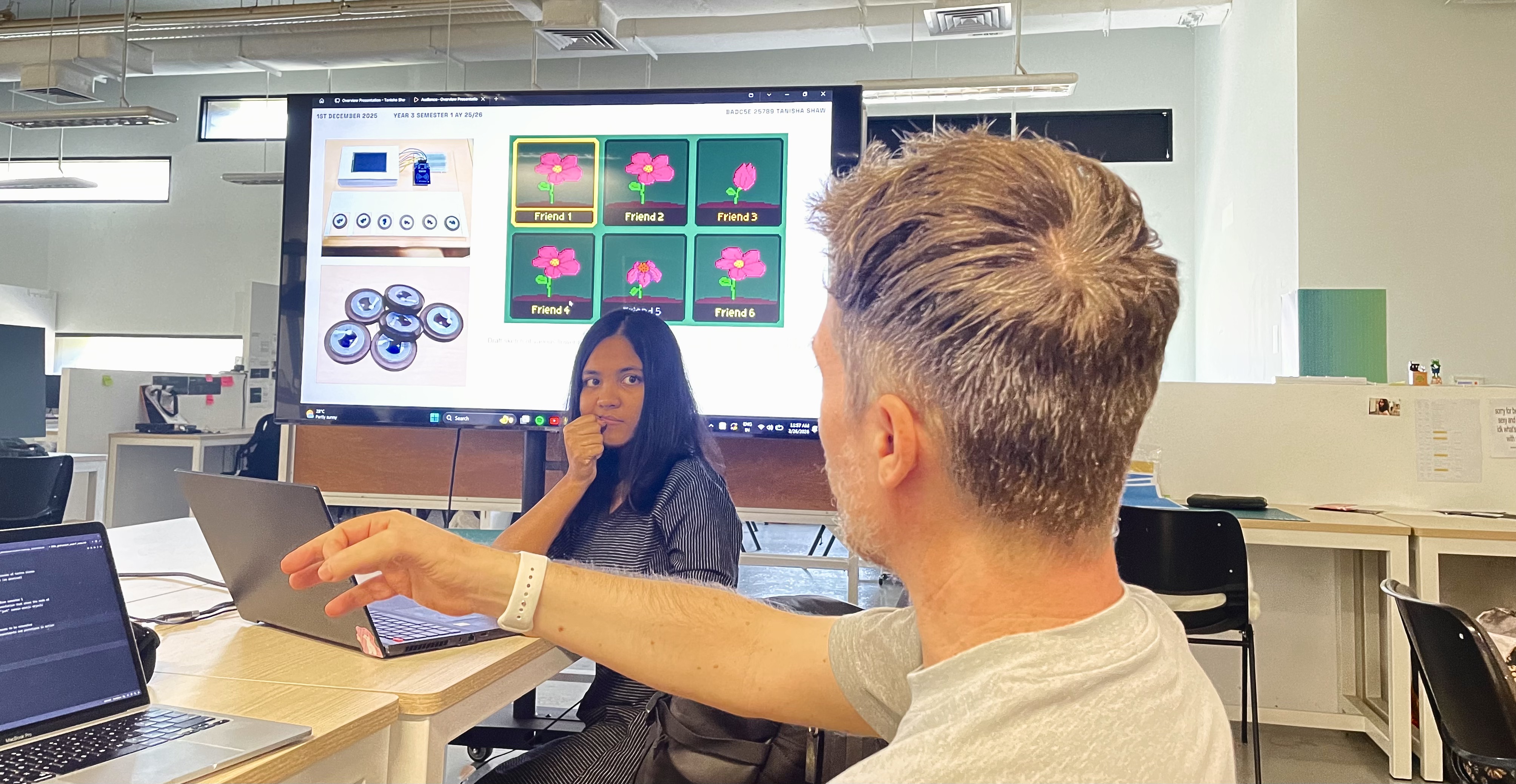
This week I wrapped up the dissertation with final readings and clarified how my three pillars converge. In parallel, I refined Prototype 1 after Week 6 testing, and received Term 1 presentation feedback.
Dissertation
Tighten the pillars so they point to the same system logic.
Prototype 1
Improve clarity, balance, and scalability across modes.
Feedback
Move from “cool output” toward symbolic role and designed use.
[ Dissertation wrap-up ]
My three pillars and their convergence
Handwriting as structured activity, reconstructed through constraint
This research is structured around three interconnected pillars: motor structure, embodied repetition, and generative rule systems. Each pillar addresses a different layer of the central question: how can the behavioural logic of handwriting be reorganised into rule-based symbolic form without reducing it to static appearance?
The first pillar establishes handwriting as measurable motor behaviour. The second explains how this motor structure becomes individualised through repetition and embodied practice. The third investigates how such structured behaviour can be translated into computational rule systems.
Together, these pillars position handwriting not as visual style, but as structured activity that can be analysed, formalised, and reconstructed through computational constraint.
Pillar 1
Motor structure
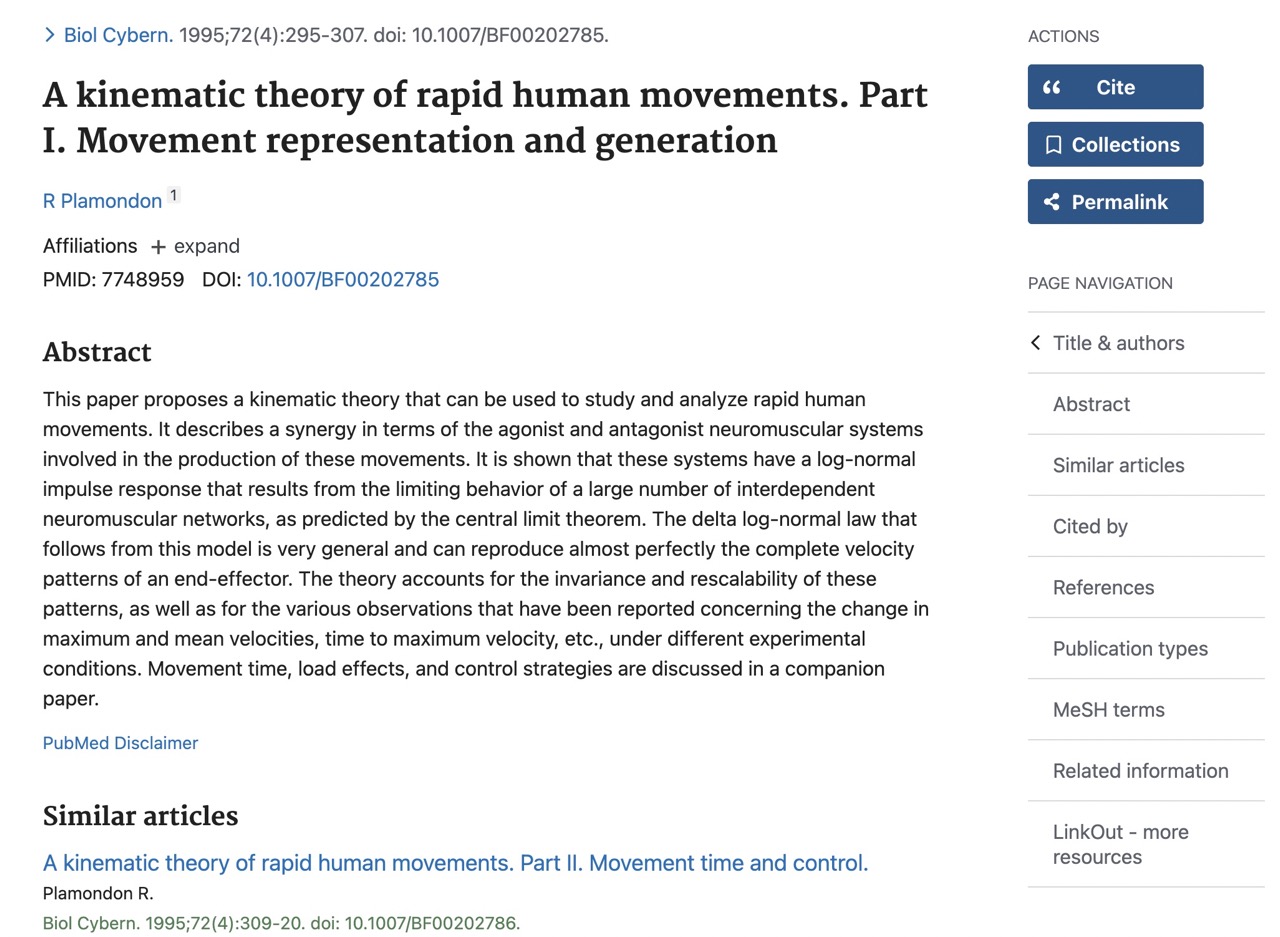
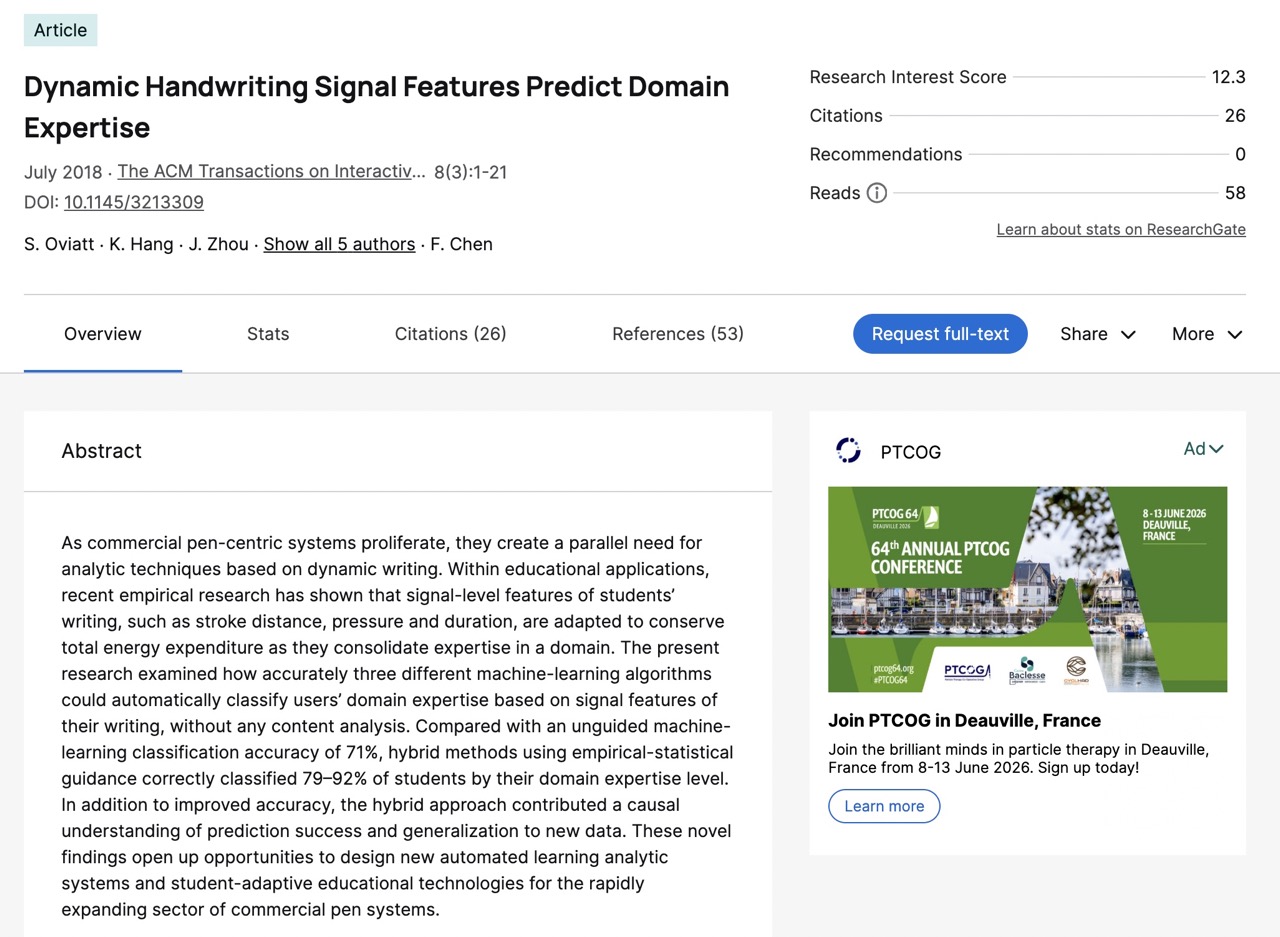
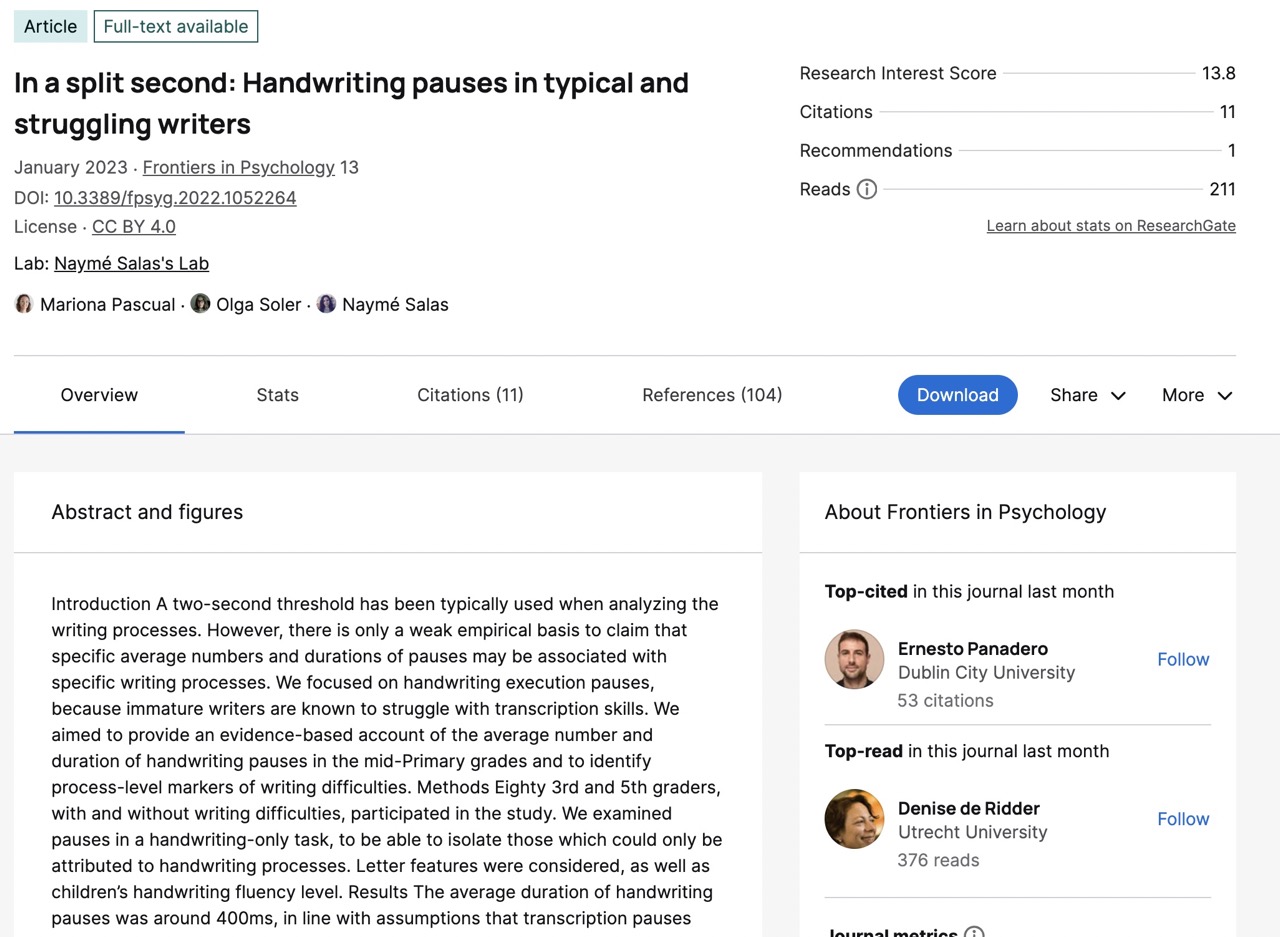
The motor pillar draws primarily from Plamondon’s kinematic theory, Oviatt’s dynamic signal analysis, and Pascual’s pause studies. Together, these works establish handwriting as structured motor behaviour measurable through velocity, pressure, and pause. These signals form the basis of the behavioural glyph system’s threshold logic.
Pillar 2
Embodied repetition
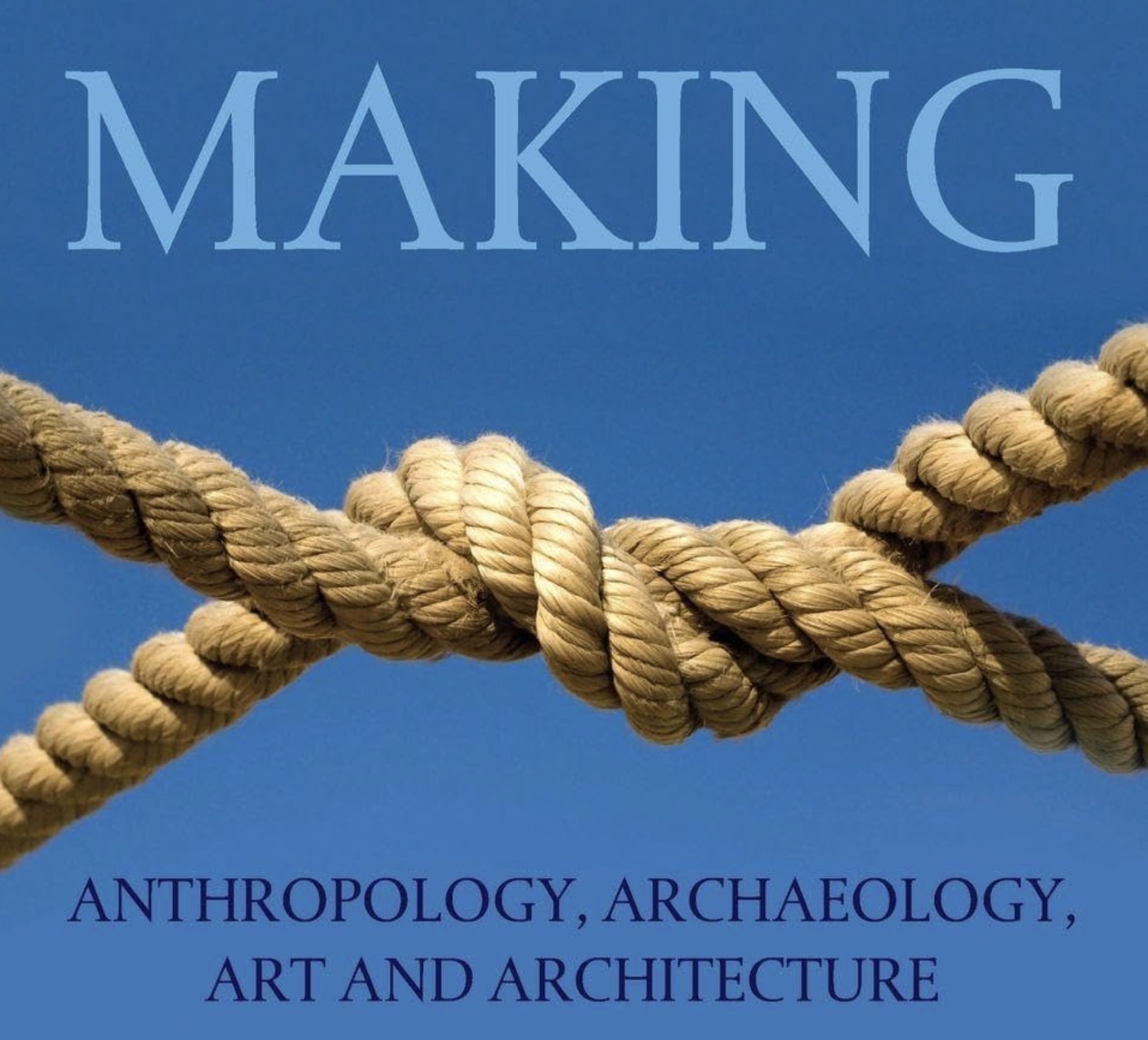
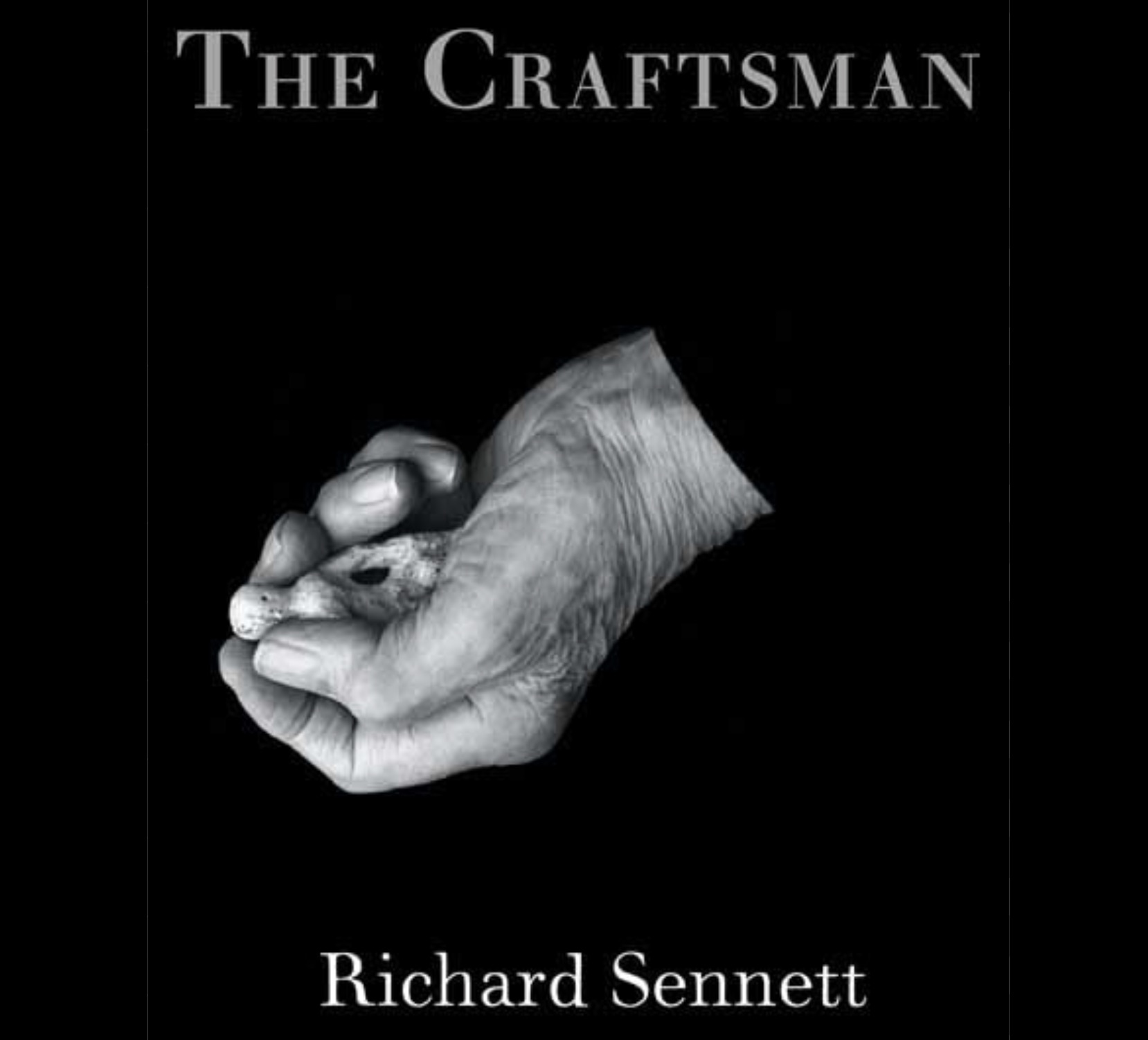
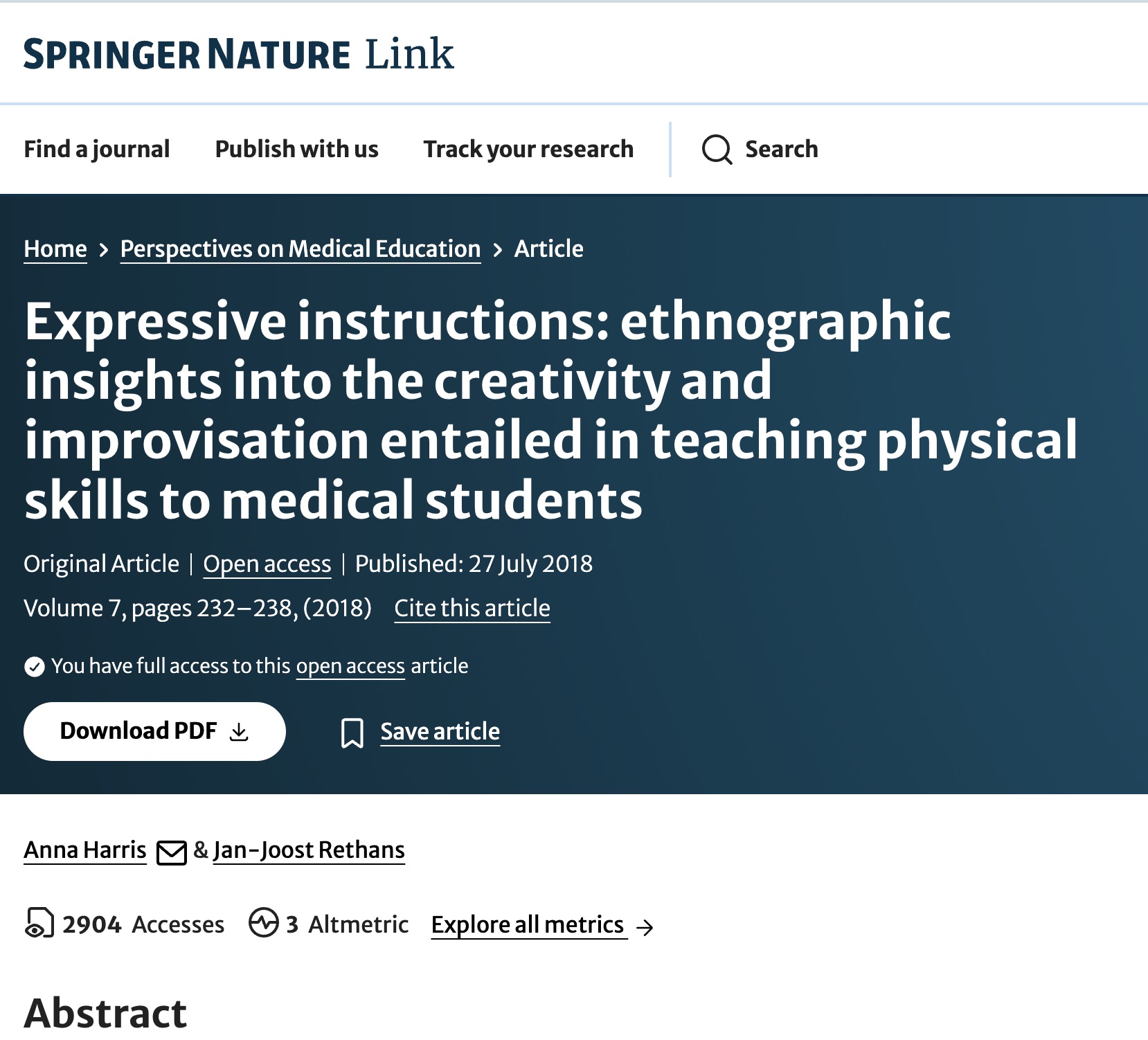
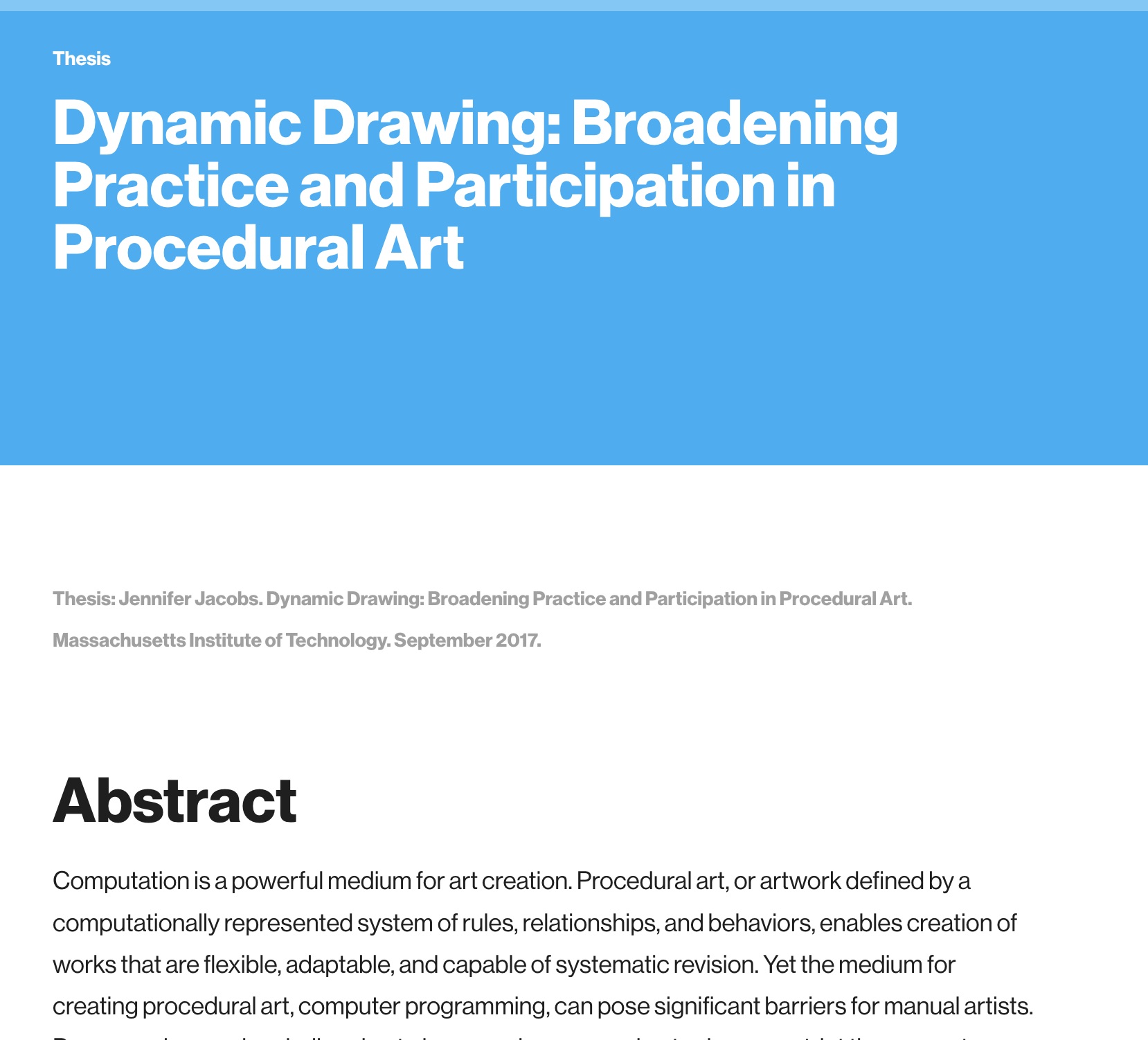
The embodied pillar draws from Ingold and Sennett’s theories of repetition and tacit skill, alongside Harris’s ethnographic account of embodied instruction and Jacobs’s work on procedural drawing. These perspectives position handwriting as stabilised embodied habit rather than spontaneous variation, grounding behavioural difference in repetition rather than randomness.
Pillar 3
Generative rule systems
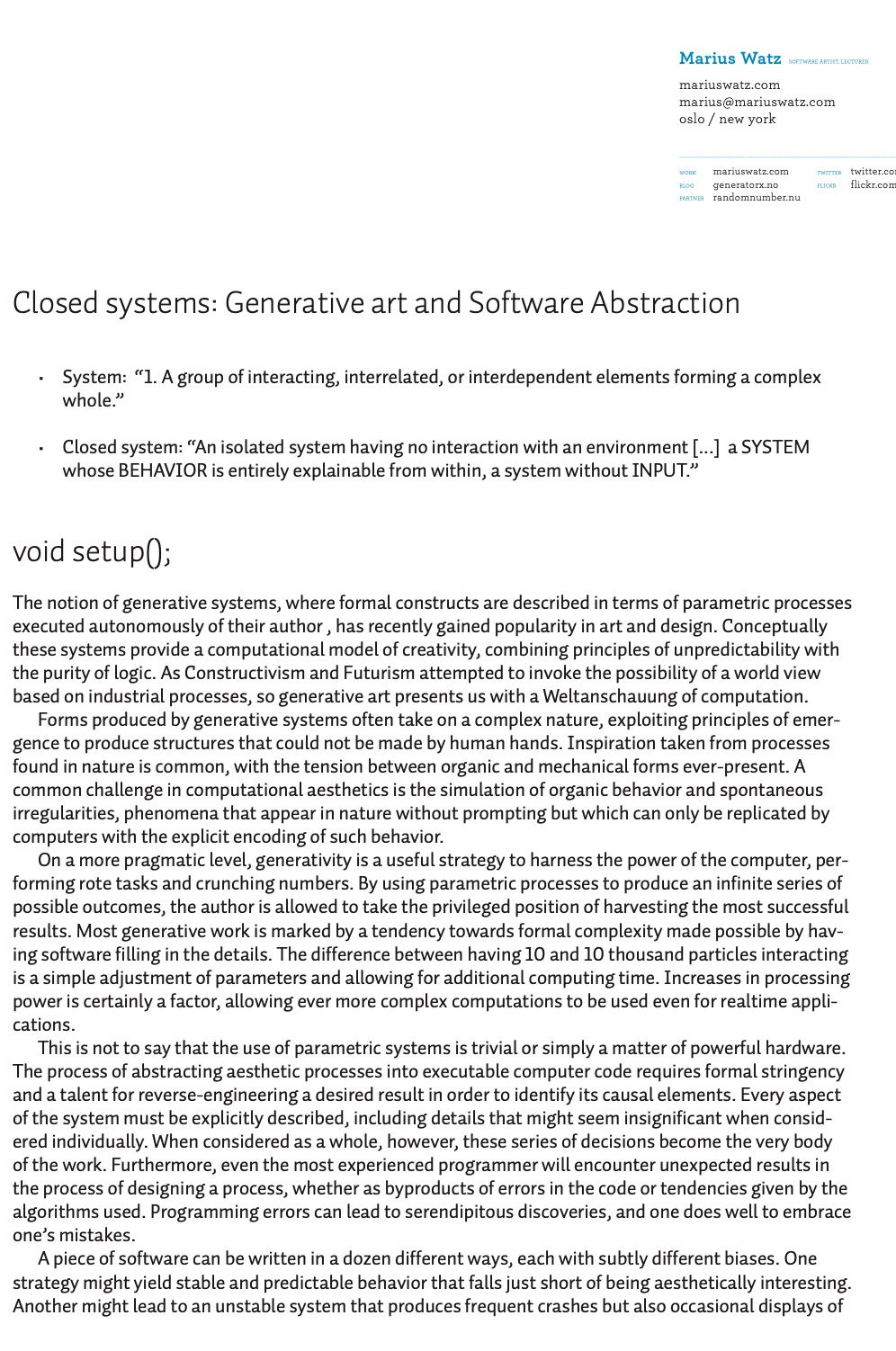
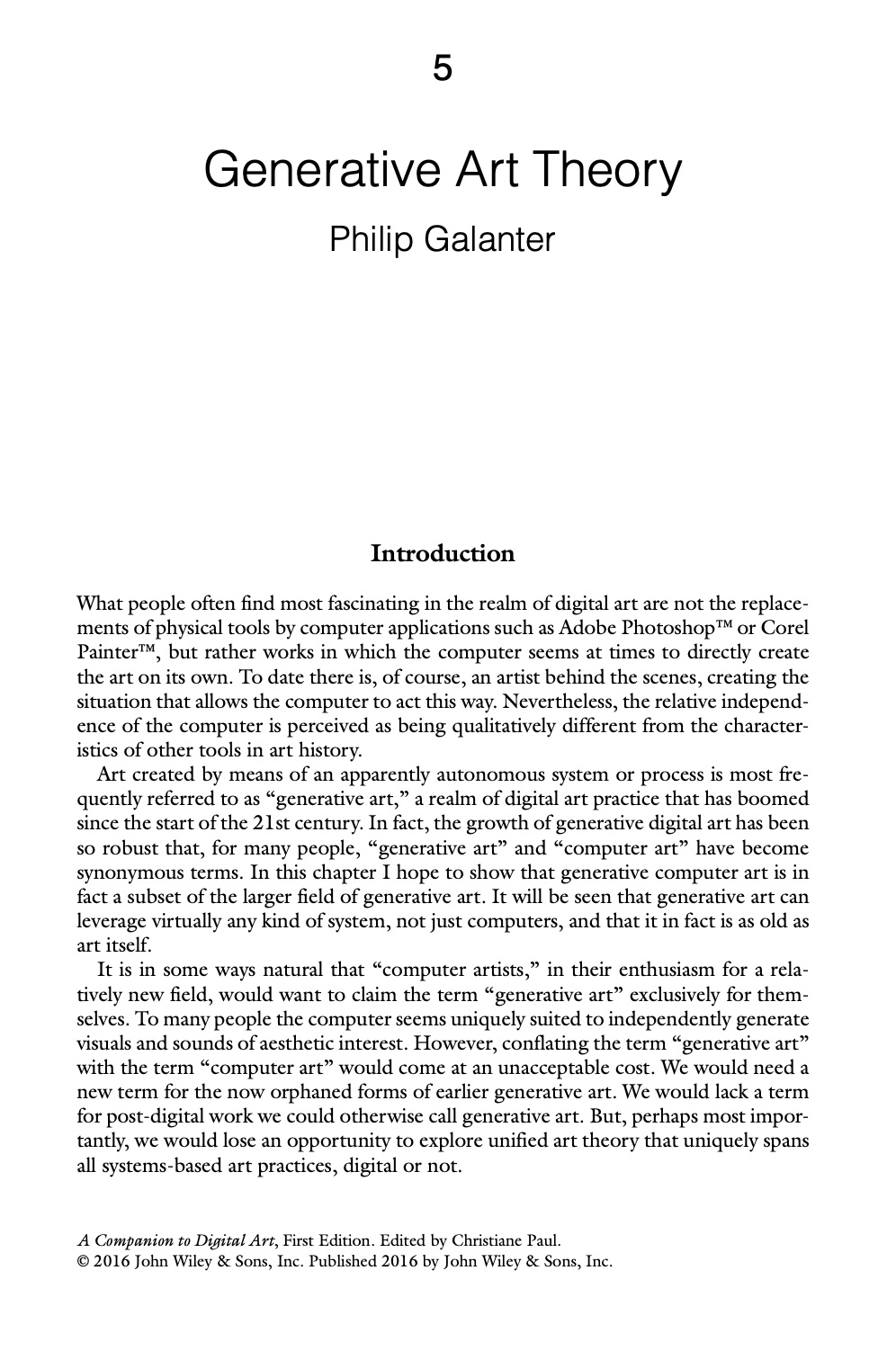
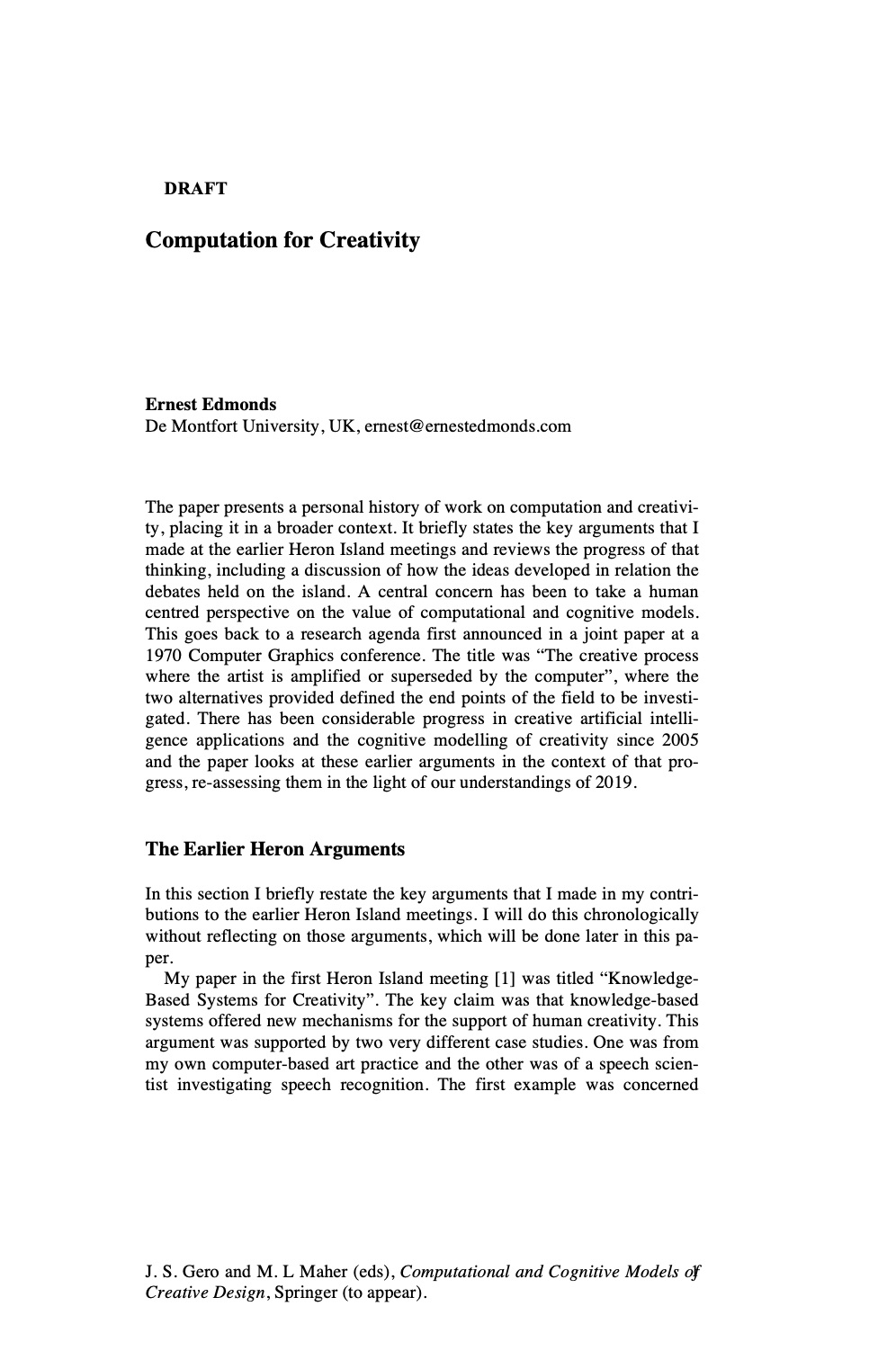
The generative pillar is anchored in Watz, Galanter, and Edmonds, who position computational systems as authored rule structures. These readings clarify that the behavioural glyph system operates not as stylistic mimicry but as conditional reconstruction governed by explicit rule logic.
[ Prototype 1 iteration ]
Iterating and improving
Following user testing in Week 6, I refined Prototype 1 with a focus on clarity, balance, and scalability. Adjustments were made to improve signal hierarchy, reduce visual dominance of the rectangular backbone, and refine how behavioural events integrate within longer inputs. Word mode was recalibrated to better manage event density, and the archive system was structured to support comparison and replay.
Moving forward, I plan to further recalibrate scaling ratios between backbone and event markers, improve pressure integration so circles feel structurally embedded rather than detached, and strengthen behavioural legibility when complexity increases.
Prototype 1 modes
Alphabet, Word, Archive
The Behavioural Glyph System currently operates through three distinct modes:
Alphabet,
Word,
and Archive.
Alphabet mode
Letters as behavioural units
Alphabet mode isolates individual letters as behavioural units. This tests if there is clearer detection of pressure peaks, hesitation, and directional pivots without signal overload.
Word mode
Behaviour accumulates across extended writing
Word mode introduces complexity. Behaviour accumulates across multiple letters, increasing event density and interaction between signals. Unlike alphabet mode, word mode functions as a stress test for scalability. It tests if the system manages overlapping pivots, clustered hesitation, and sustained pressure variation across longer inputs.
Archive mode
Replay and comparative review
Archive mode stores and organises behavioural outputs. Users can replay both the original handwriting and its reconstructed glyph. Archive mode positions the system as a tool rather than a static visual experiment. It introduces temporal memory into the project.
This enables:
- 01 Per-letter comparison
- 02 Cross-user comparison
- 03 Behavioural pattern review
- 04 Export and documentation
Best experienced with stylus: wacom / apple pencil
Try out my prototype
The Behavioural Glyph System relies on dynamic pressure and motion data, and its behavioural sensitivity is most legible when written with a stylus rather than a mouse. It is accessible online and best experienced using a Wacom tablet or iPad with stylus support:
[ Presentation feedback ]
Integrity of gesture capture
During the presentation, I demonstrated the system using a laptop trackpad due to technical issues with the Wacom tablet. This prompted discussion about the importance of input fidelity. Since the project is grounded in embodied motor behaviour, the richness of gesture capture directly impacts the system’s conceptual strength.
There was also an important point raised about the pen itself. How it is held, the angle of contact, wrist rotation, and grip tension all influence behavioural output. If gesture is foundational to the project, input hardware and ergonomics are not neutral. What I learned from this point:
- Stabilise Wacom integration,
or explore iPad stylus input. - Consider pen grip and ergonomics as part of behavioural data.
- Treat hardware as
conceptual, not just
technical setup.
Could the written words be meaningful?
Prompt content might change engagement
The use of “the quick brown fox” was questioned. While it functions well as a technical stress test, it lacks conceptual weight. An alternative direction is to explore more meaningful words or phrases.
If handwriting already embodies identity and habit, then the semantic content of writing could amplify the significance of the resulting glyph. Writing a personal memory, belief, confession, or intentional statement may produce a different kind of engagement. This introduces an additional layer: Gesture > Language > Reconstruction. What I learned from this point:
- Experiment with intentional prompts instead of neutral
test sentences. - Explore emotional content
and whether it shifts
behavioural variation. - Consider how
writing content shapes
interpretation of the glyph.
The “So what?” question
What do I want to do with these glyphs?
The central challenge raised was: What do you want to do with these glyphs? Currently, the system reconstructs behavioural signals into geometric form. However, its larger application remains undefined. If the glyph remains only a visual output, then its potential is underused.
Symbolic in this context could mean: A behavioural identity marker, A personal signature system, A comparative behavioural archive, A translation into physical media, A participatory design tool. To become symbolic, the glyph must move beyond demonstration and begin to function within a context. It could represent something, not just display behaviour. What I learned from this point:
- Define a creative application beyond output generation.
- Explore symbolic function
as artefact, language, or signature. - Articulate why it matters
beyond novelty.
Export behavioural data as JSON
Another suggestion was to export behavioural data as machine-readable JSON. Making this exportable enables: Behaviour comparison, External visualisation, Secondary generative systems, Archival analysis. What I learned from this point:
- Implement JSON export
as part of the system. - Explore reuse
of behavioural datasets. - Investigate external applications beyond the interface.
Learn from existing interactive tools
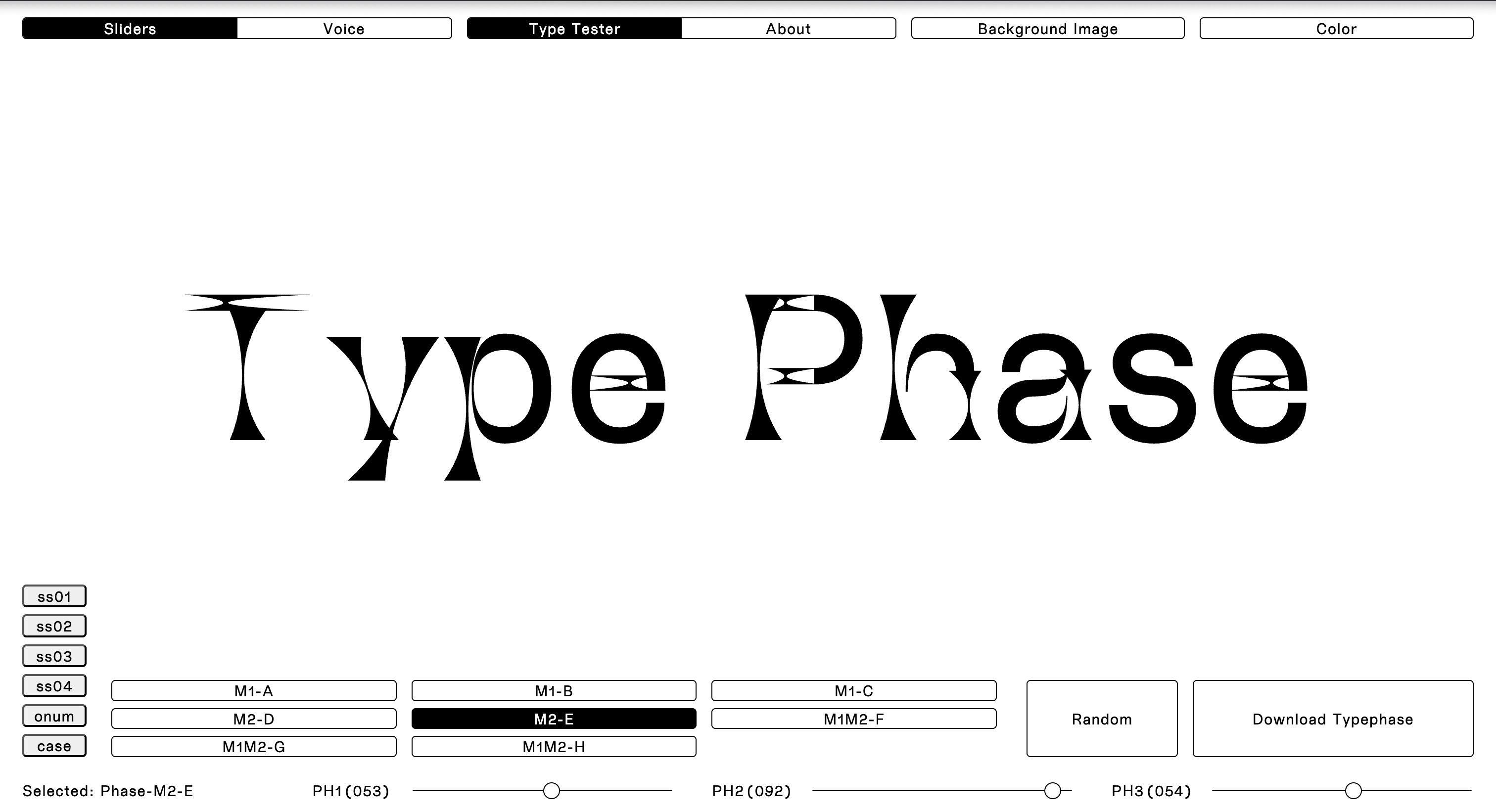
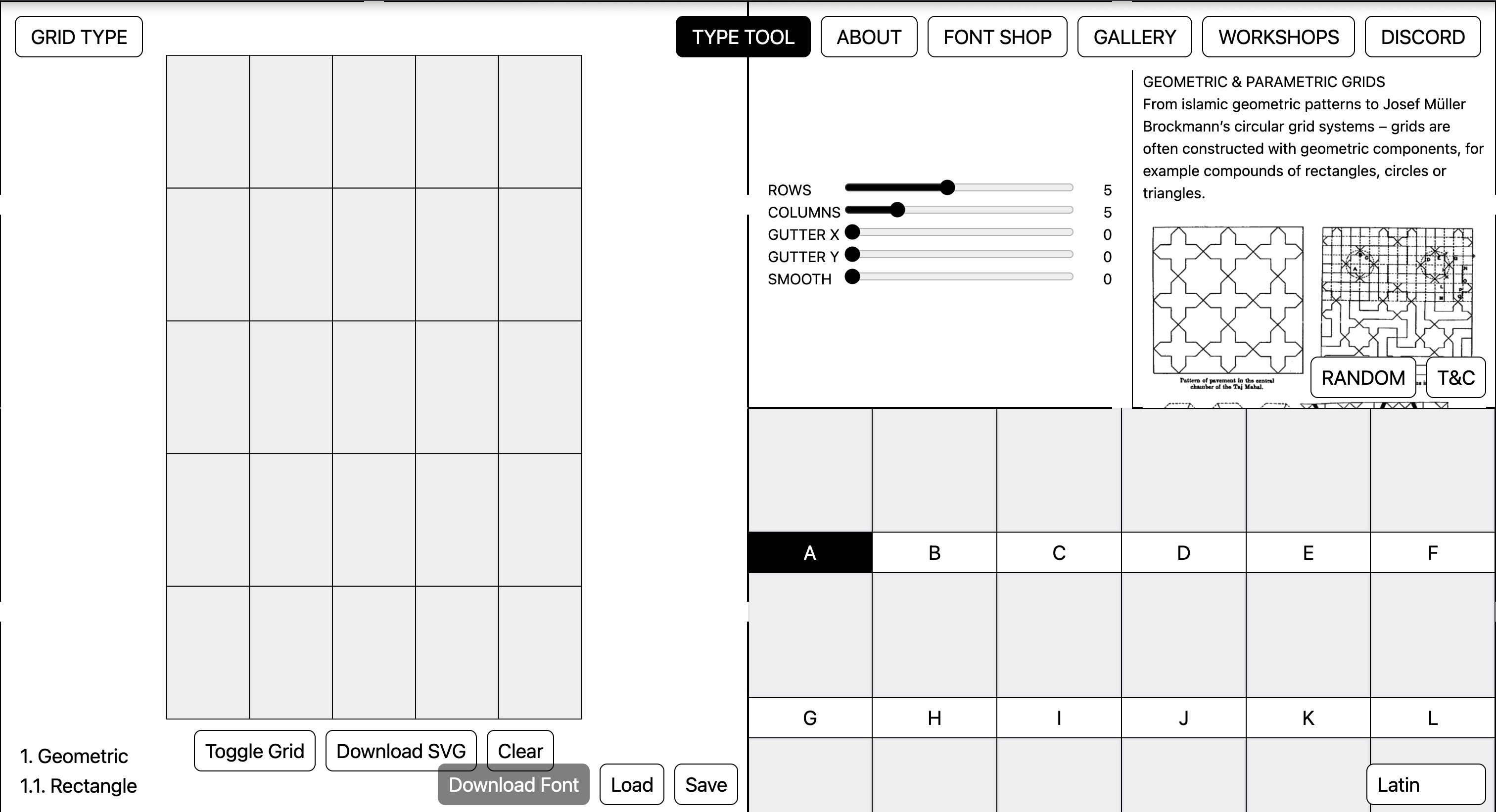
Tanisha suggested looking at existing interactive tools. These references demonstrate refined, user-facing generative systems where interaction is intentional and visually cohesive. This feedback suggests that the behavioural glyph system could evolve into a designed experience or creative tool rather than remaining an experimental interface. I could look into: Parameter control, Adjustable sliders, Downloadable outputs,intentional interaction design
[ Next step ]
Meaningful writing prompts
Shift from neutral test sentences to intentional phrases. Explore how personal or emotional content influences behavioural variation and glyph interpretation.
[ Next step ]
Define the glyph’s symbolic role
Move beyond output generation. Position glyphs as embodied artefacts that function as identity markers, visual language, or personal statements.
[ Next step ]
Expand data and creative application
Export behavioural data for reuse. Explore external visualisation, comparative archives, and secondary generative systems beyond screen-based output.