WEEK 7
EXPERIMENT 05
Drawing at the Pace of Attention
Usually, code runs within a click. Frames update too quickly for hesitation to matter, and the system forgets each state as soon as it renders. In this experiment, I slowed the output so it builds over time, line by line and block by block. Slowness becomes an opening, where attention, delay, and interruption can leave visible traces.
Conceptual seed
Interrupt speed and treat waiting as material. Instead of a clean final frame, treat the image as a record of timing, second thoughts, and small mistakes.
Research enquiry
What factors of the hand appear when rendering slows down. Can hesitation, switching, absence, and overcorrection become part of the system rather than noise around it.
Method
Start from instant binary flips, move to row based scanning, then to small blocks. At each stage, watch how much of the body enters the work and how much memory the image can carry.
[ Stage 1 - Binary screen ]
Hand to black or white
Instant flip that felt flat
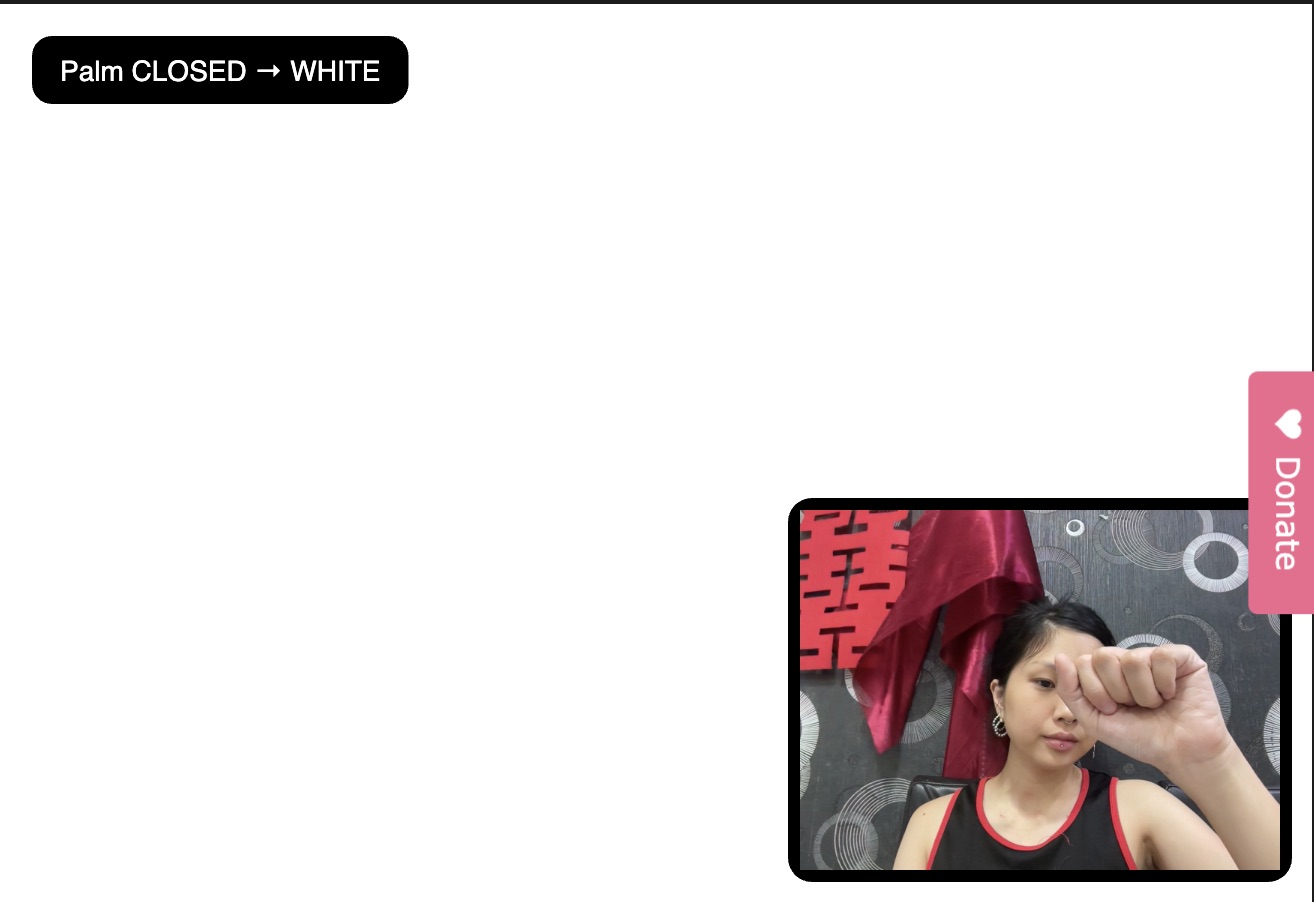
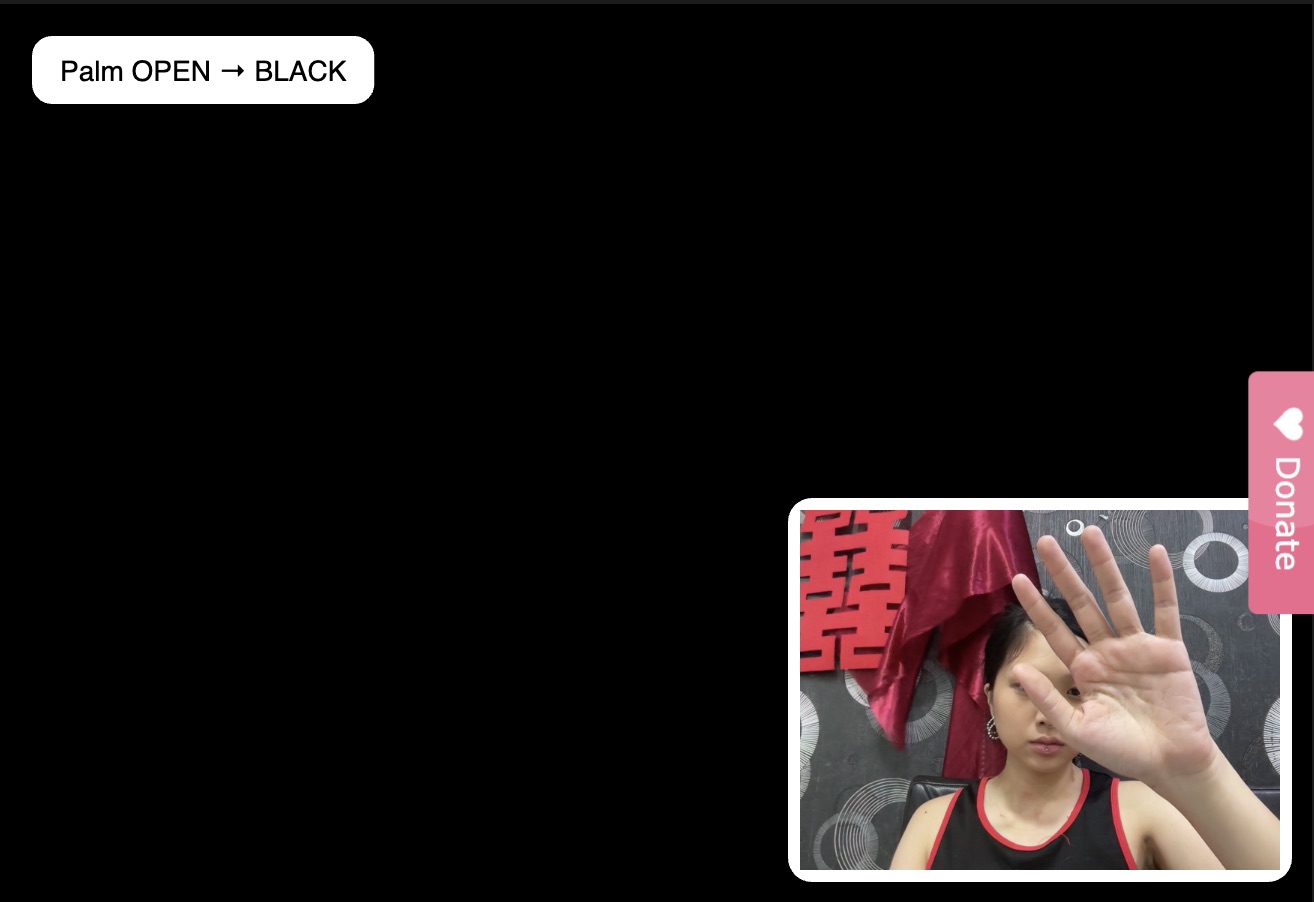
The first sketch was a simple mapping. An open palm turned the entire screen black. A closed fist turned it white. Technically it worked. The hand was being tracked and the system responded, but every new gesture overwrote the previous one.
Nothing lingered. My presence in front of the camera was temporary. Once my hand moved away, the sketch left no trace of what had happened. It made clear that even if the body is present, a fast system can still treat it as a momentary input instead of a contributor to the work.
[ Stage 2 - Row scanner ]
Hand to row colour
Bands that record rhythm
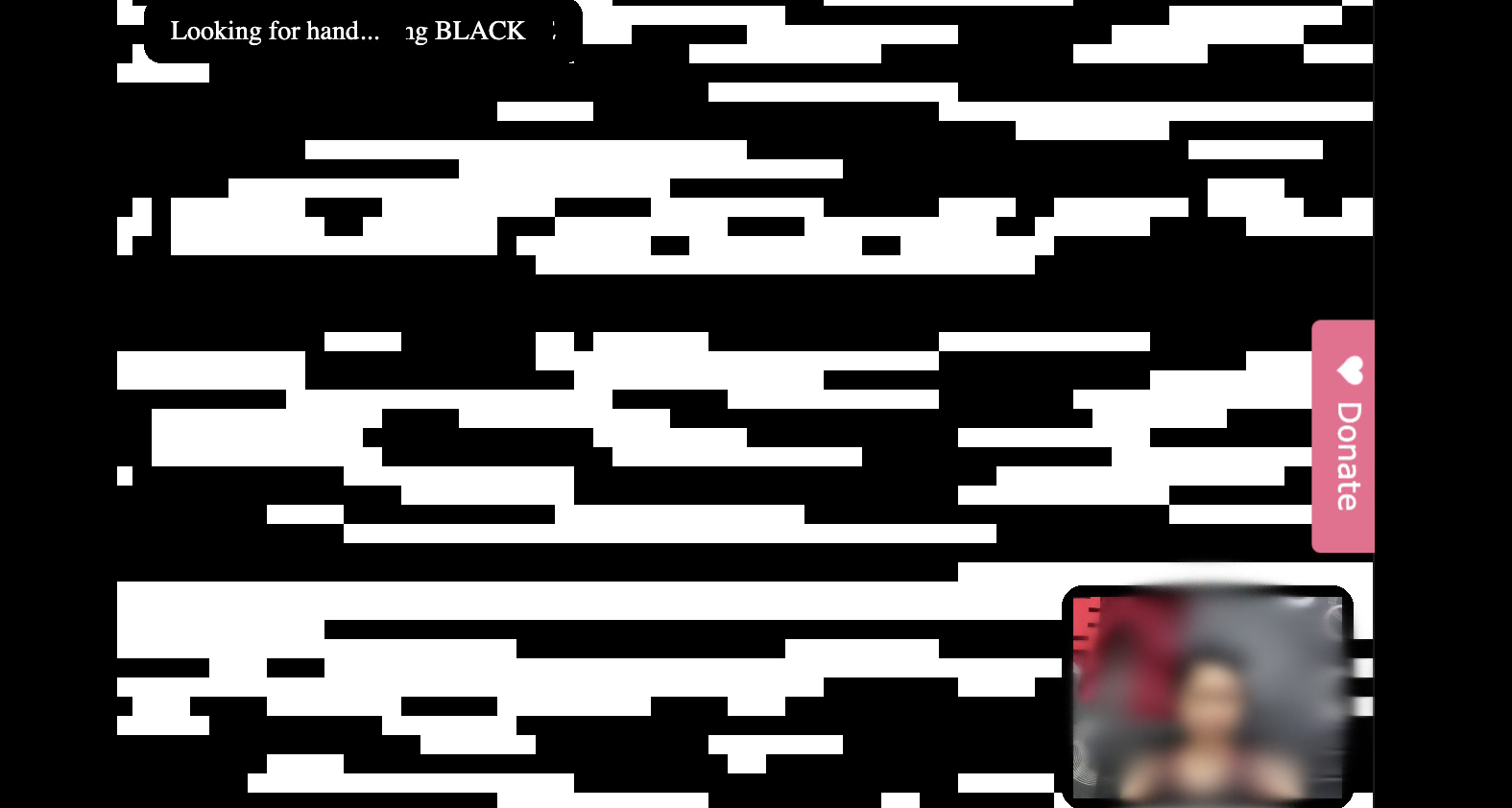
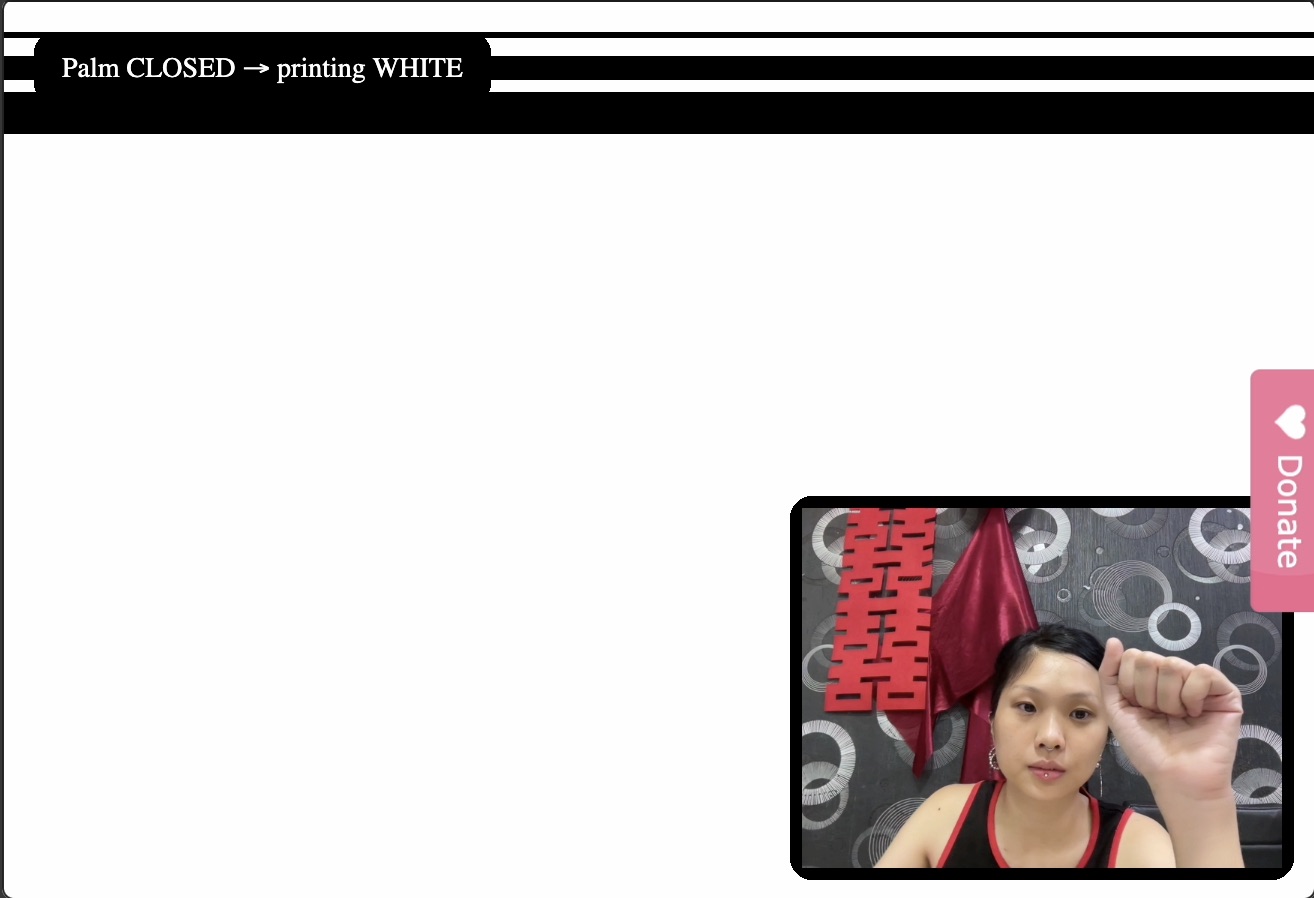
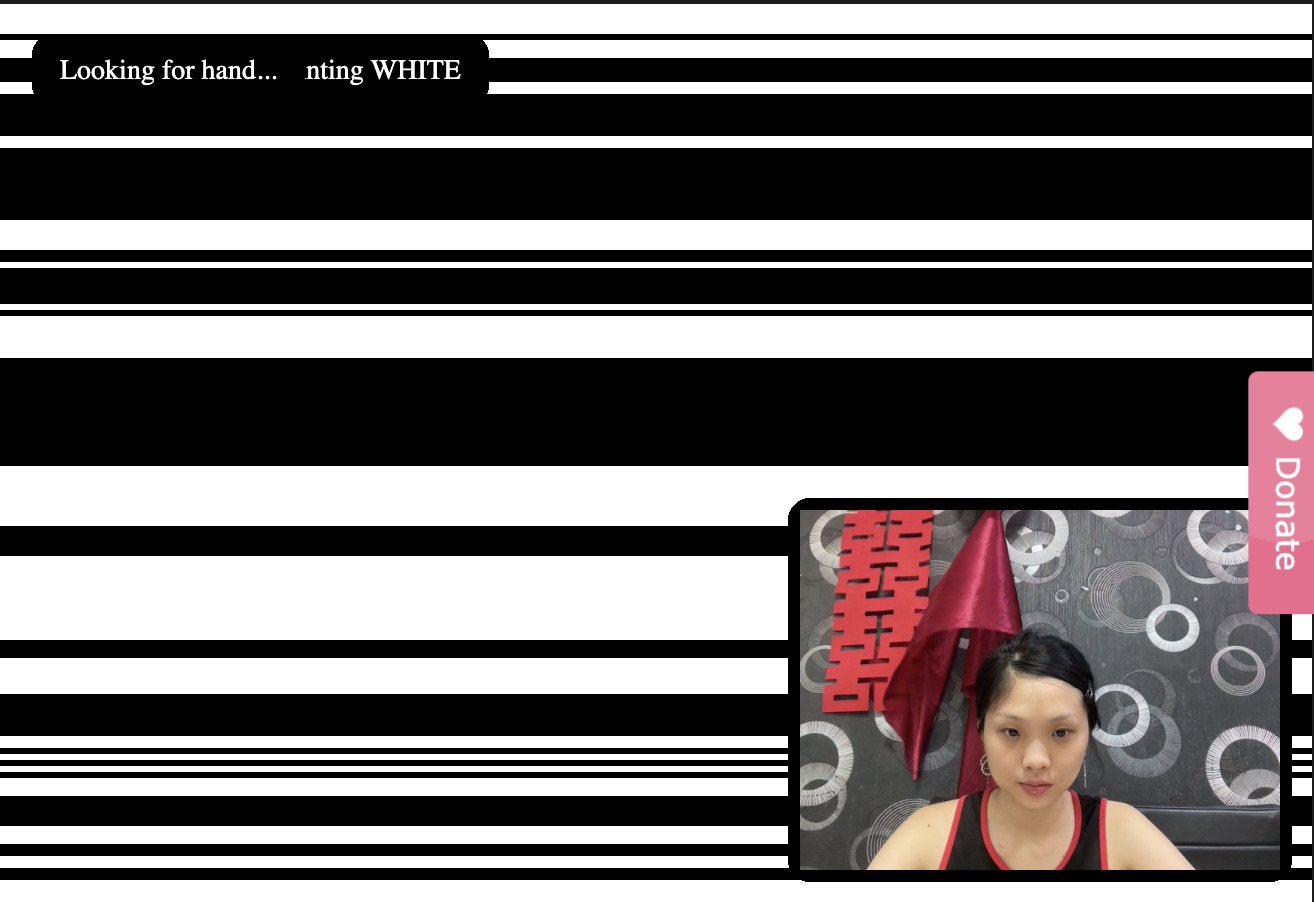
For the second sketch, I slowed the system down. Instead of flipping the full screen, the program printed rows from top to bottom, one line at a time. Each row took the colour of my current hand state, black for palm, white for fist.
The image built up as horizontal bands. It started to feel like a barcode that recorded my decisions over time. Waiting became part of the work. Every row felt like a small choice, to hold, to switch, or to pause.
The delay was also frustrating. If I changed my hand mid row, the system would only show it in the next line. That lag made me notice that time itself was becoming material. The sketch was not just showing what was happening. It was holding what had happened.
[ Stage 3 - Pixel scanner ]
Hand to block decisions
Micro decisions as proof of presence
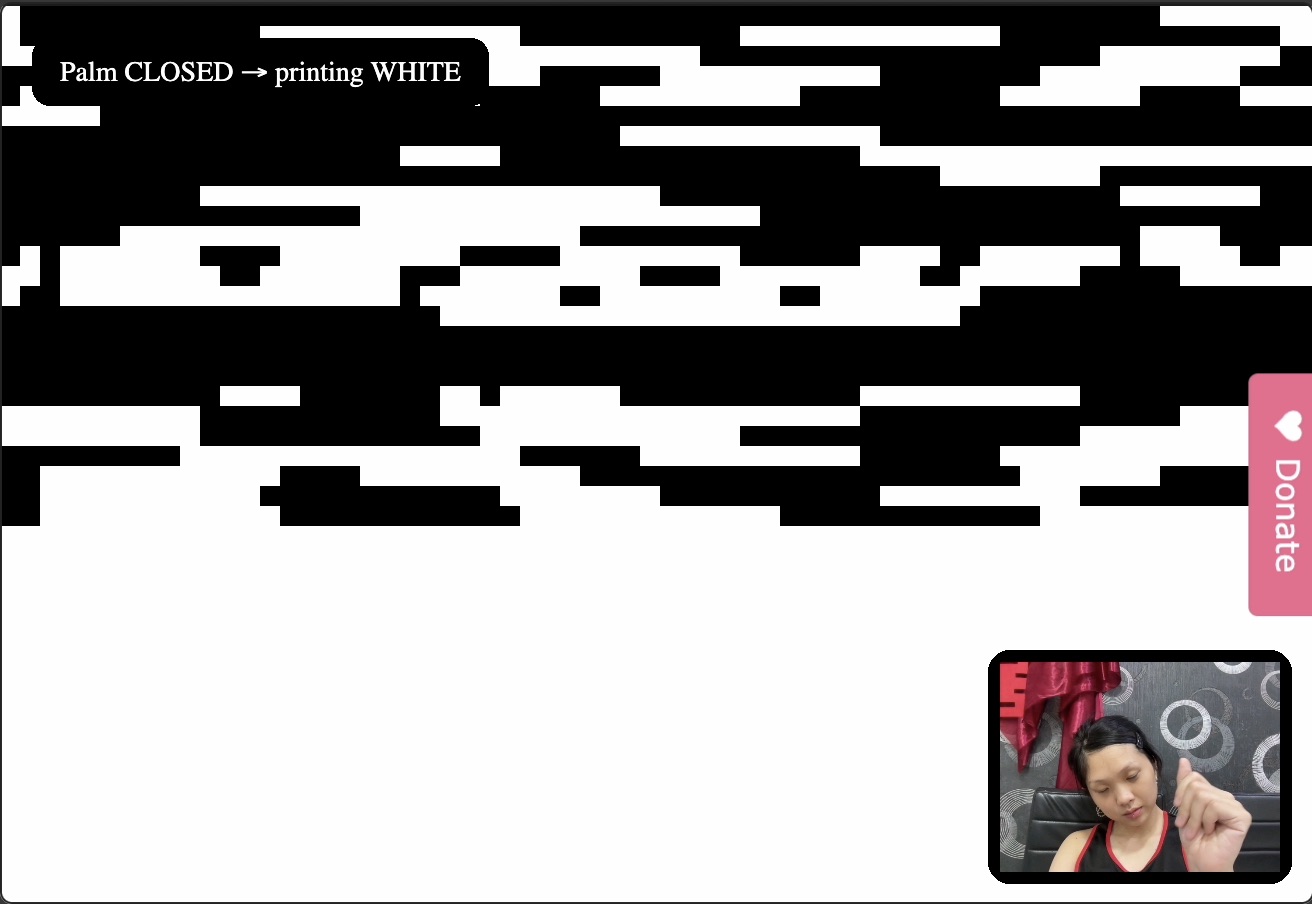
In the final sketch, I refined the granularity. Instead of full rows, the canvas filled block by block. Each small square checked my hand state before drawing. Colour could now change mid row, which made the texture more dense and woven.
The image turned into a field of micro decisions. When I hesitated, clusters formed. When I switched too quickly, I left seams and awkward patches. Moving out of frame stopped the scan entirely, so absence became visible too.
This was the first version where the hand felt like it had really entered the code, not only as a signal, but as behaviour that shaped the pace, rhythm, and structure of the outcome.
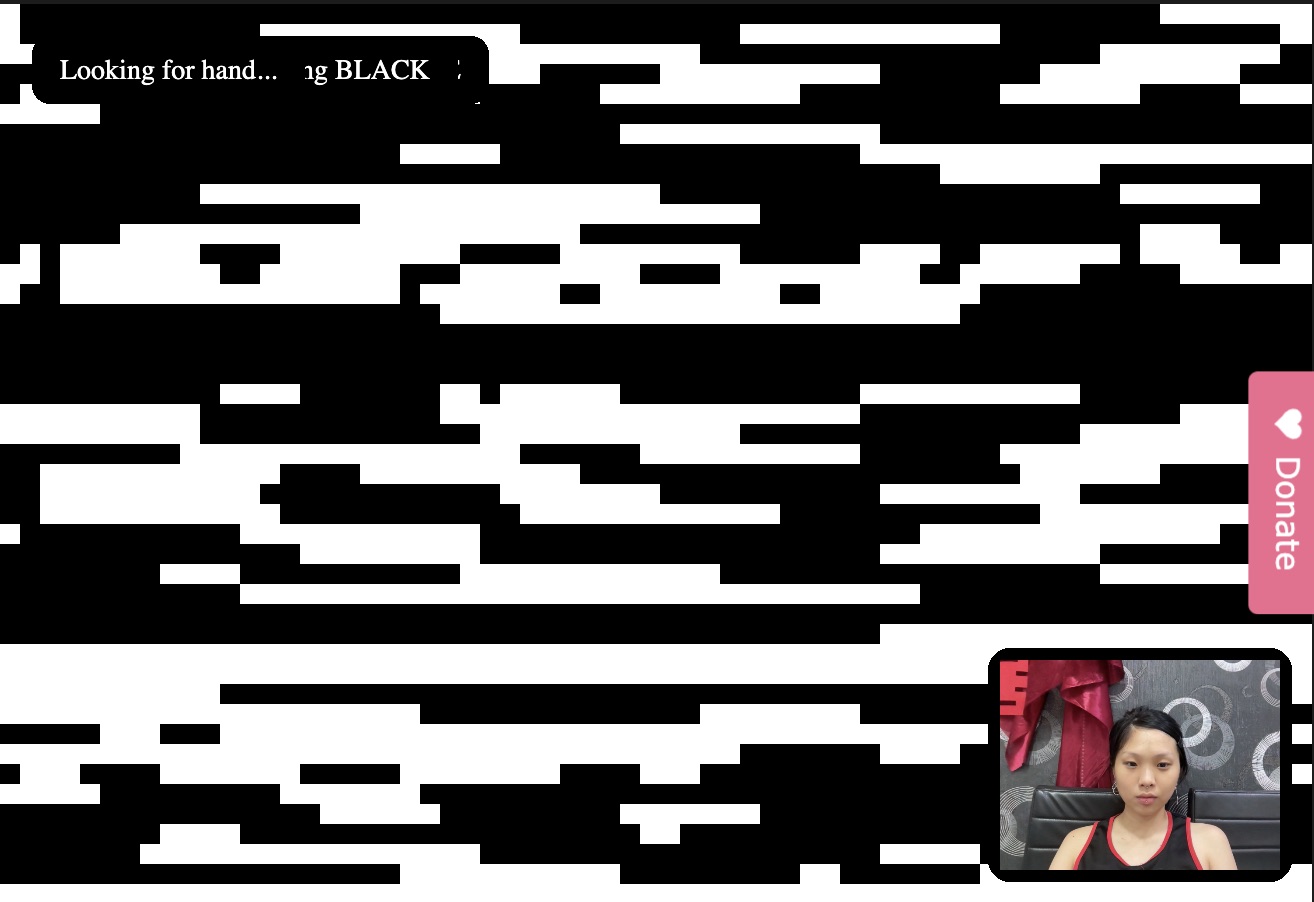
[ Observation and reflection ]
Hand interruptions observed
From glitch to material
Across all three stages, certain patterns kept returning. These became my working list of hand imperfections.
Hesitation. Small pauses or late reactions that produced soft breaks in the pattern.
Switching. Flipping between palm and fist too quickly, leaving scattered seams and sharp edges.
Absence. When my hand left the frame, the code stopped. Waiting became visible instead of hidden.
Overcorrection. Reacting too fast and creating tight clusters, overlaps, and areas of tension.
These did not feel like bugs. They felt like records of care and attention. The screen started to behave like a kind of digital loom, where my gestures were woven into the image as interruptions, gaps, and uneven timing.
Critical reflection
Slowing the rendering changed how I related to the code. Instead of writing it to be efficient, I wrote it so that it could linger. The delay forced me to stay with the process and to notice how my timing shaped the outcome. It felt less like commanding a tool and more like sharing a pace with it.
The imperfections, seams, clusters, and gaps stopped being errors. They became traces of how the work was made. In that sense, the experiment reframed code from a system of precision to one of presence. It nudged the work closer to craft, where risk and difference are tolerated, and where the maker is not fully smoothed out.
Next steps
Moving forward, I want to:
- Invite multiple participants and compare each person’s hand rhythm as a small archive of traces.
- Save outputs as a gallery and read them as a shared archive of gestures and imperfections.
- Connect this experiment more clearly to the dissertation question on hand, coding, and care.
[ RPO feedback ]
Link to presentation: Google Slides deck
Hand imperfections need to be clearer
Show, do not just describe
The idea of hand imperfections needs stronger grounding. It cannot stay abstract. I need to show visual examples that make the idea obvious at a glance. This means including close up images of tension changes, slips, hesitations, and traces left by the hand. The work becomes clearer when people can see what I mean, not only hear it.
Reframing what coding can do
A shift in mindset, not a technical lesson
A core part of the project is changing how people think about code. The point is not to teach coding. It is to show how code can support care, attention, and the values that exist in craft. My work can open up new ways of seeing code as something responsive and situated, rather than cold and mechanical. This tension between craft and computation is a strength in the research.
Presence of the maker
Let the work grow from practice
The presence of the maker needs to sit at the heart of the project. Everything should grow from the act of making, not from theory alone. This links to the wider conversation on material driven systems, including references like Neri Oxman and work that explores coding with non human materials. The value lies in showing how practice leads the thinking.
Final adjustment to my frame
From computational design to design practice
The biggest shift I need to make is language. Moving away from computational design and toward design practice gives the project a more grounded base. It makes the work feel less like a technical study and more like a practice rooted in making, tools, materials, and the values I care about.
Formative presentation
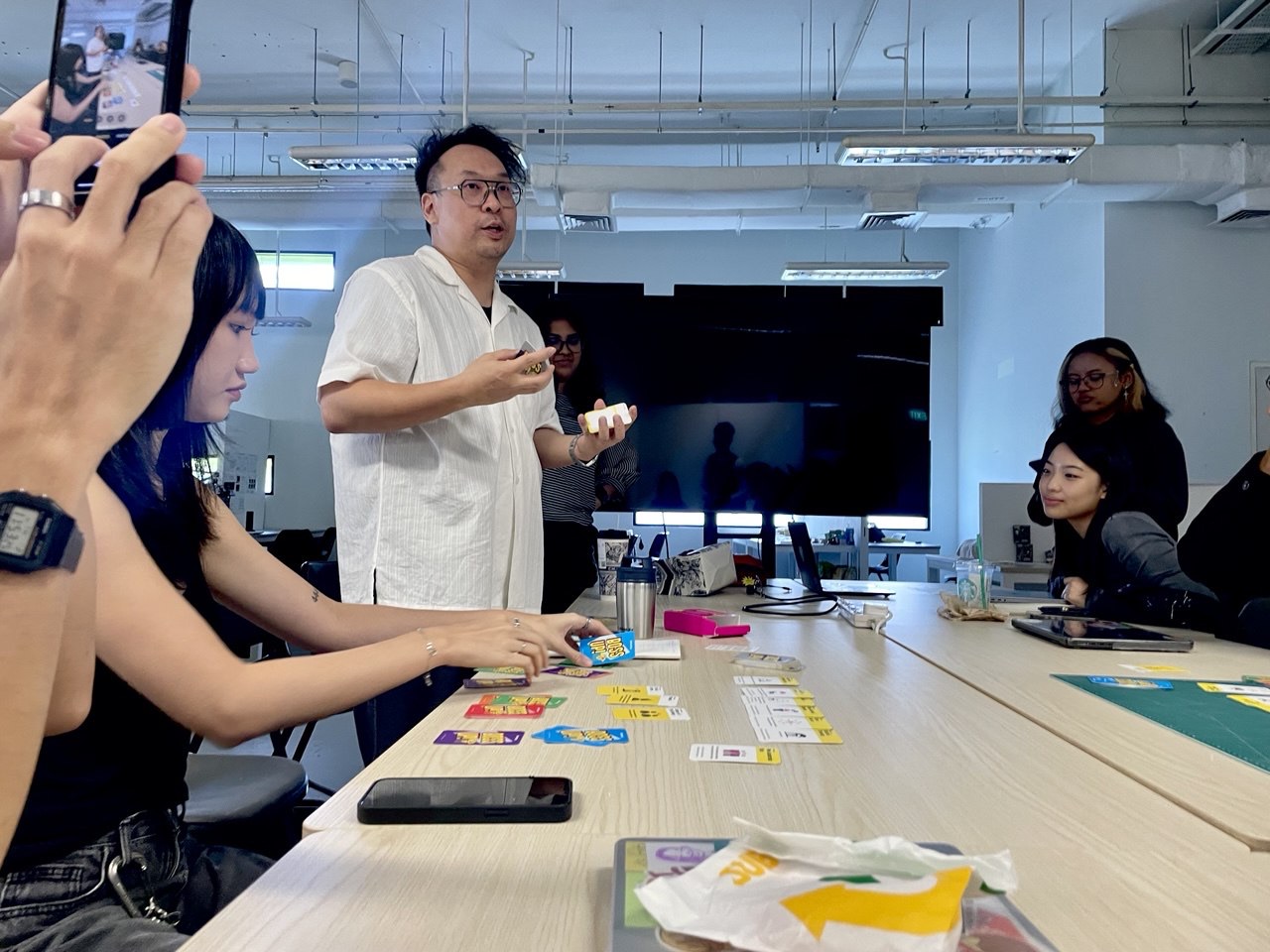
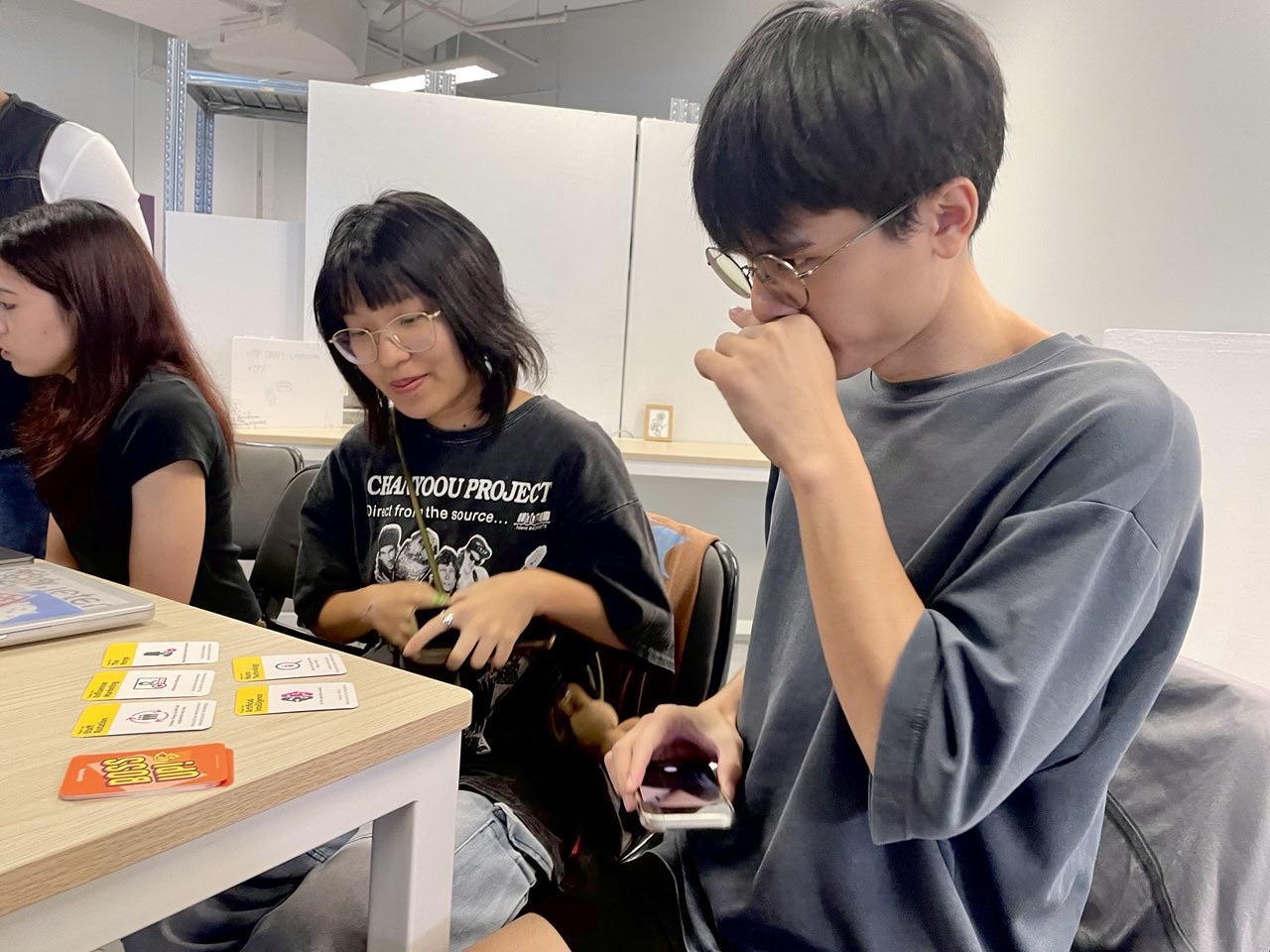
Snapshots
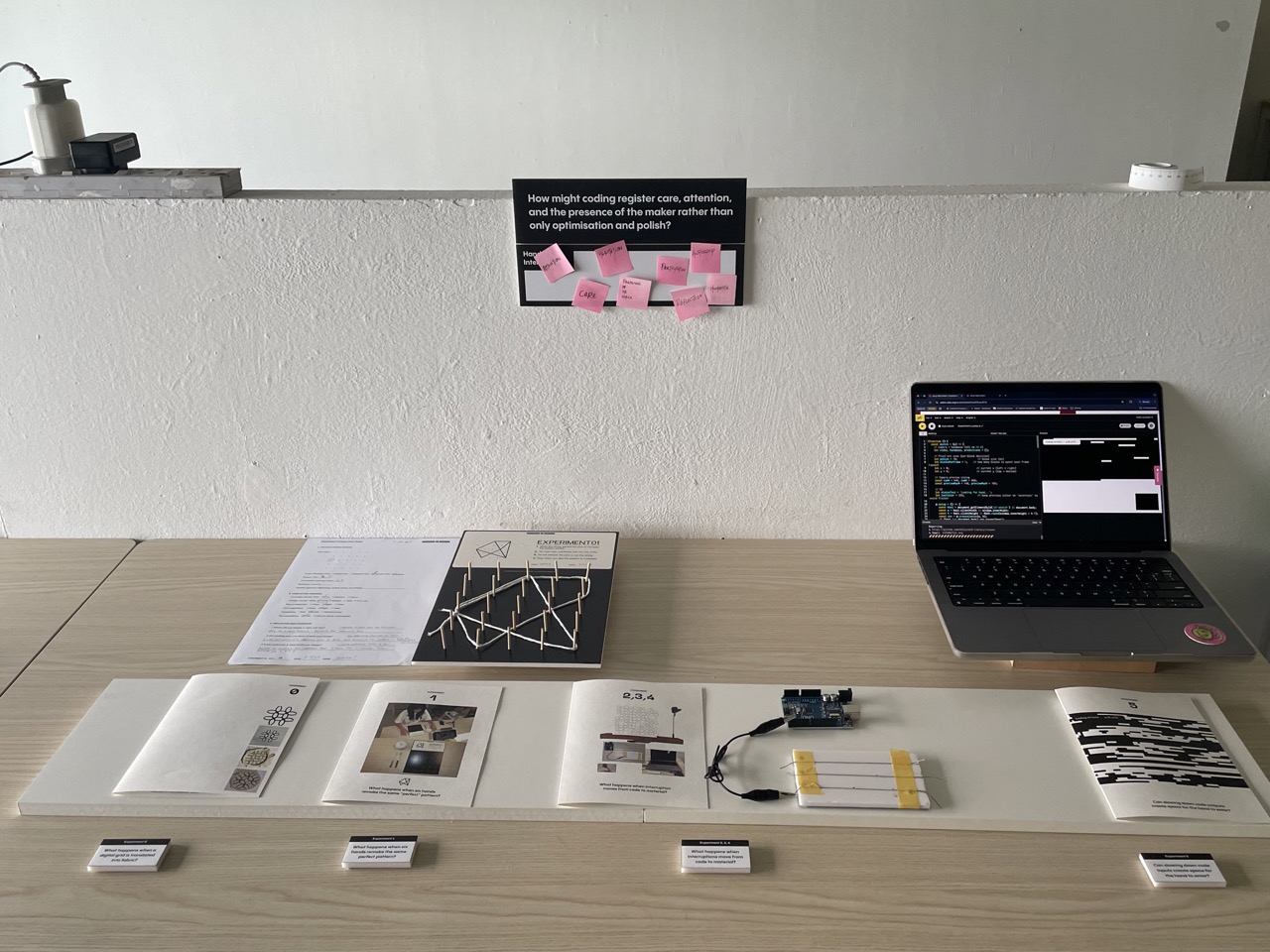
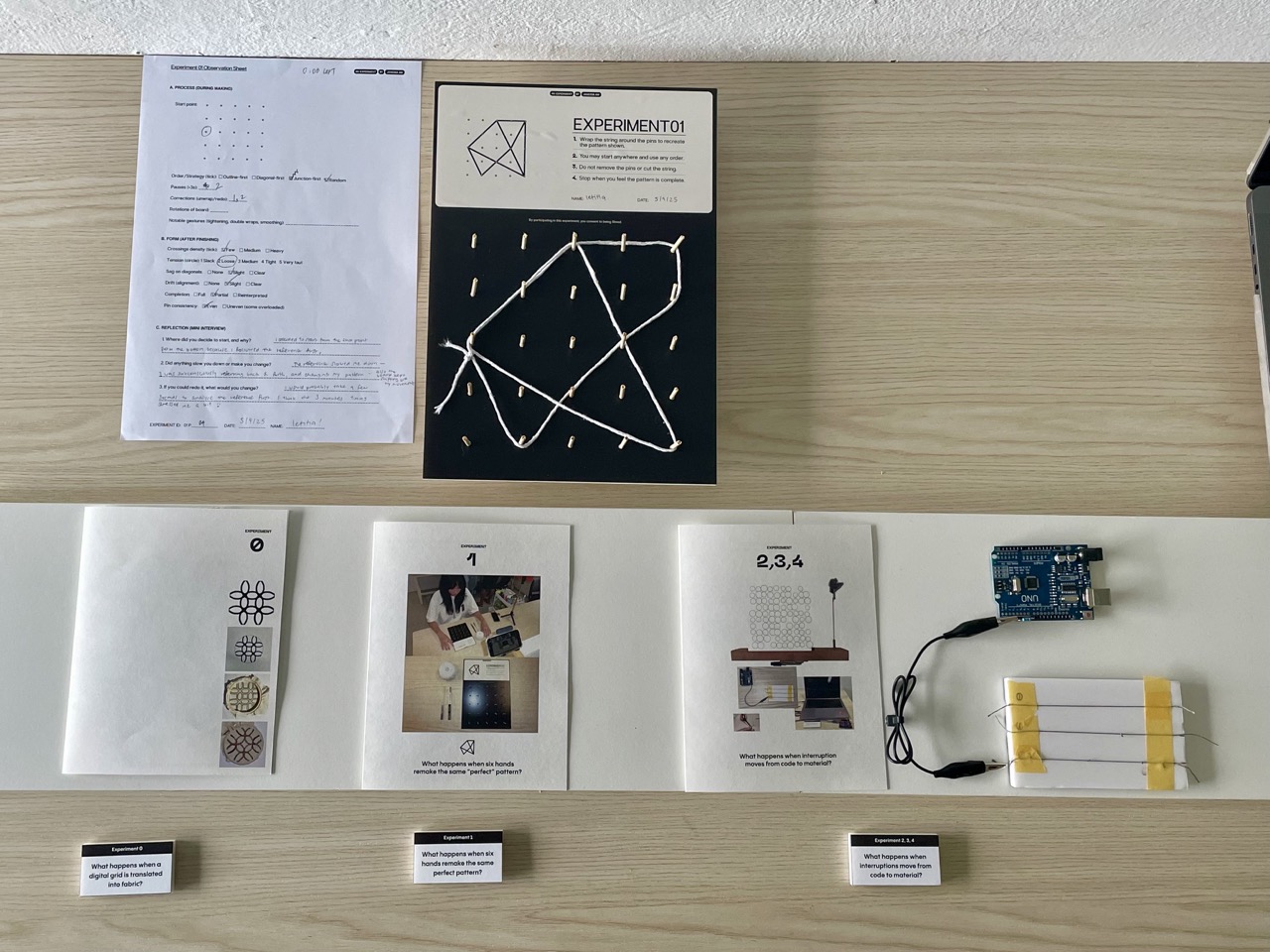
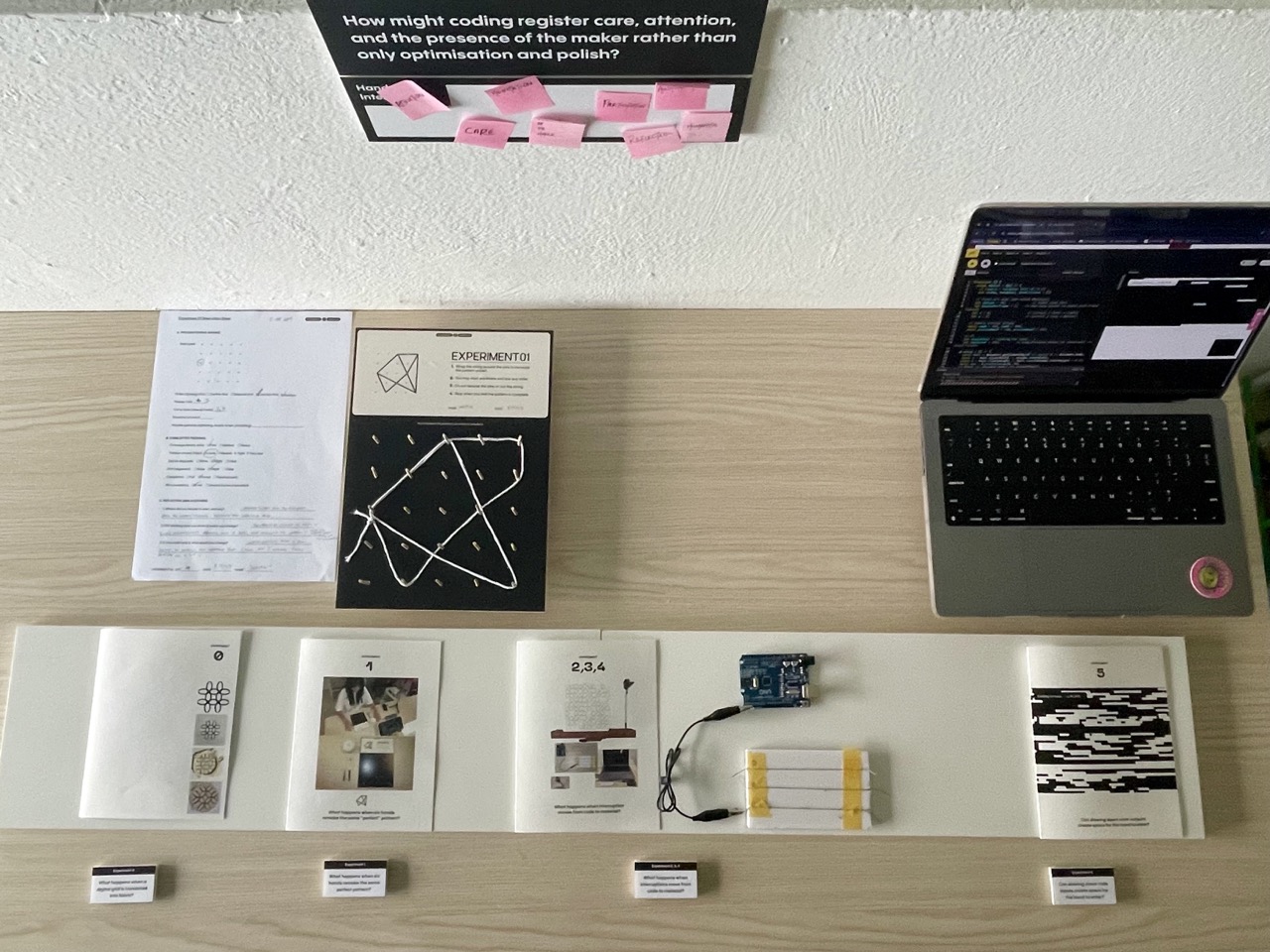
[ Formative reflection ]
Clarity, focus, and alignment
Let the research question lead
The feedback made it clear that the work feels connected to me, but this connection is not fully visible to others yet. The relationship between hands, coding, and care needs stronger framing. I need to state what the project is about in a direct way, and let that statement guide how I introduce each experiment.
I was asked to be clearer about what I mean by hand imperfections. Are they visual, temporal, material, or all of these. I also need to show how each prototype links to the dissertation, not just in my own notes, but on the page and in the slides. One suggestion was to use single page documentation per experiment, with purpose, method, materials, and learning.
Another thread of feedback touched on movement and slowness. The reviewers felt that this interest in resisting optimisation is a strength, and that it could be extended through camera based gesture, where both my body and the system learn together over time. References like Sol LeWitt were raised, which positions my work inside a longer line of instruction based and rule based practices.
Overall, the components are starting to align, but the narrative is not strong enough yet. I need to shape the viewer’s journey more intentionally and decide what should be immediate and what should slowly unfold.
Key adjustments
- Open the deck with the research question and define what I mean by hand imperfections.
- State clearly where imperfection appears, in material behaviour, in timing, or in digital triggers.
- Prepare single page summaries for each experiment that show purpose, method, and what changed.
- Keep the word coding visible instead of hiding behind broader terms like systems or computation.
- Bring in visual examples of hand based digital work so that the argument does not stay abstract.
- Make my systematic approach explicit and place references beside experiments, not only at the end.
Questions moving forward
The reflection ended with a set of questions that will guide the next phase:
- What is the relationship between the hand and code in my practice, both physically and conceptually.
- How can imperfection become more legible, rather than only felt by me as the maker.
- What does care look like in computational form, and how can it be staged in the work.
- How can the environment, including time, space, and tools, actively shape the outcome.
[ Guest speakers - Jeffrey Koh, Aditi Neti ]
Design Factory at SIT
Design as careful negotiation
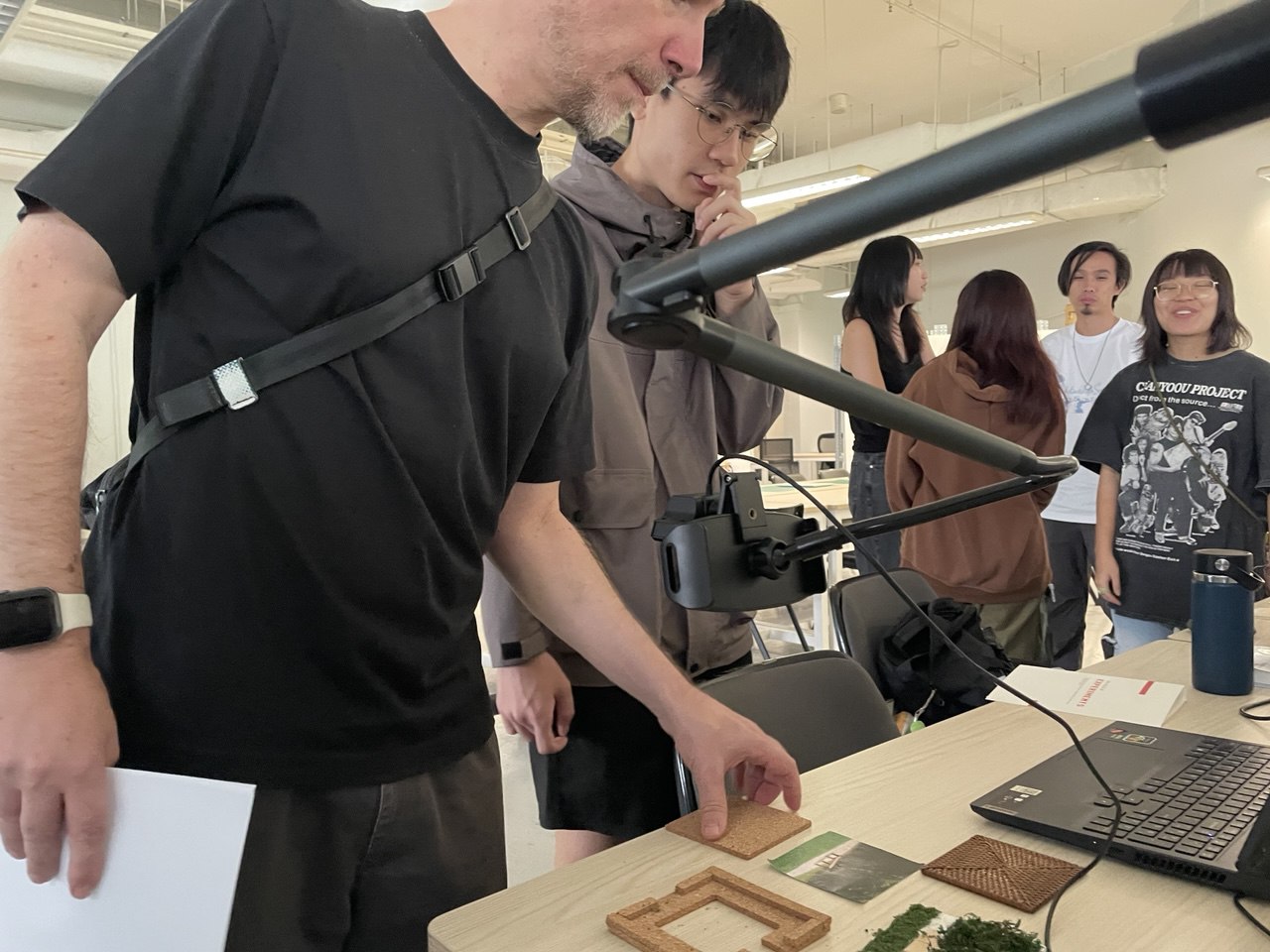
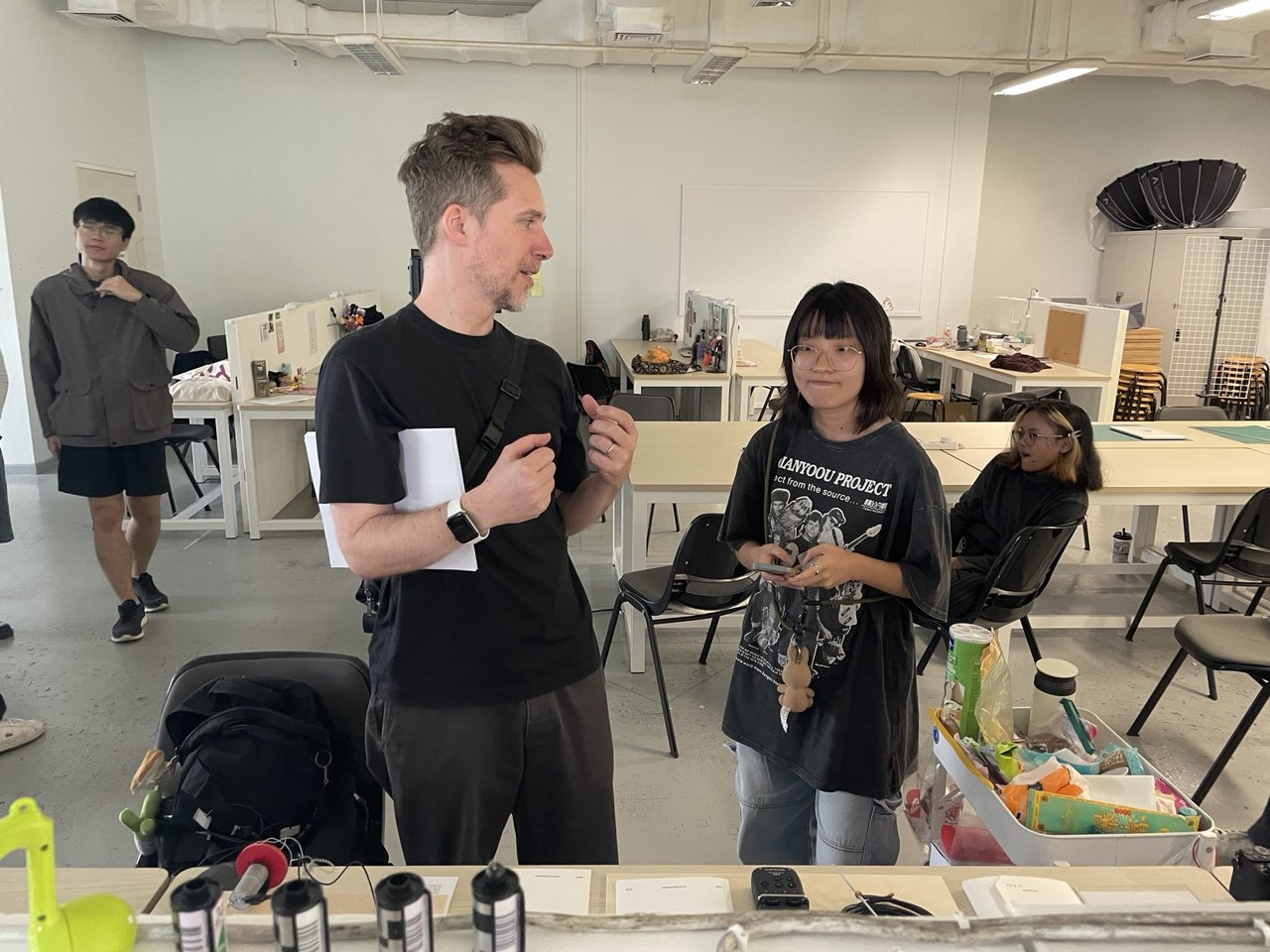
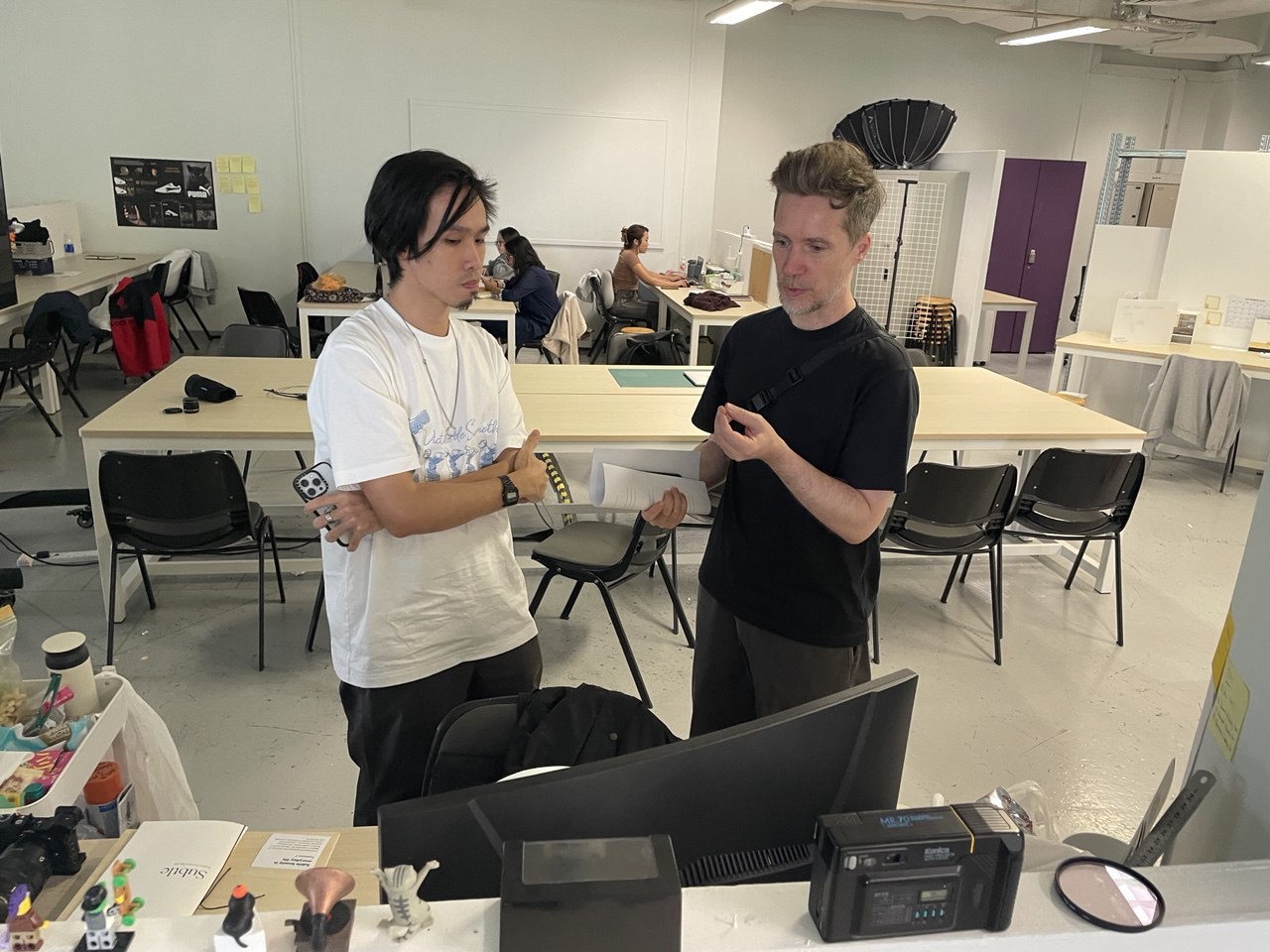
The session introduced Design Factory as an ecosystem node rather than a single department. It sits between schools and disciplines, and operates in the messy middle of development, after concept and before full commercialisation. That structure felt close to where my FYP sits, between craft and computation, and between hand and code.
Jeffrey’s examples, like the Clover Catwalk and his magnetic sensor interface, framed imperfect projects as knowledge rather than failures. The point was to learn through making and to treat prototypes as ways of thinking. This helped me see my own sketches in the same way. Even when the system behaves strangely, it still reveals how people move, hesitate, and adapt in front of it.
Aditi’s work on Anatomy of a Kolam also stayed with me. She spoke about resisting bland reinterpretations by grounding design in lived meaning. That linked back to my interest in code as more than a visual generator. I want the meaning to sit in the gestures, the waiting, and the interruptions, not only in the final look.
Their projects around Punggol Digital District and heritage work reminded me that design is increasingly about mediating relationships between systems, cultures, and people. It aligned closely with my intention to mediate between the hand and the machine, without flattening either side.