WEEK 5
PART 1: GUEST TALK
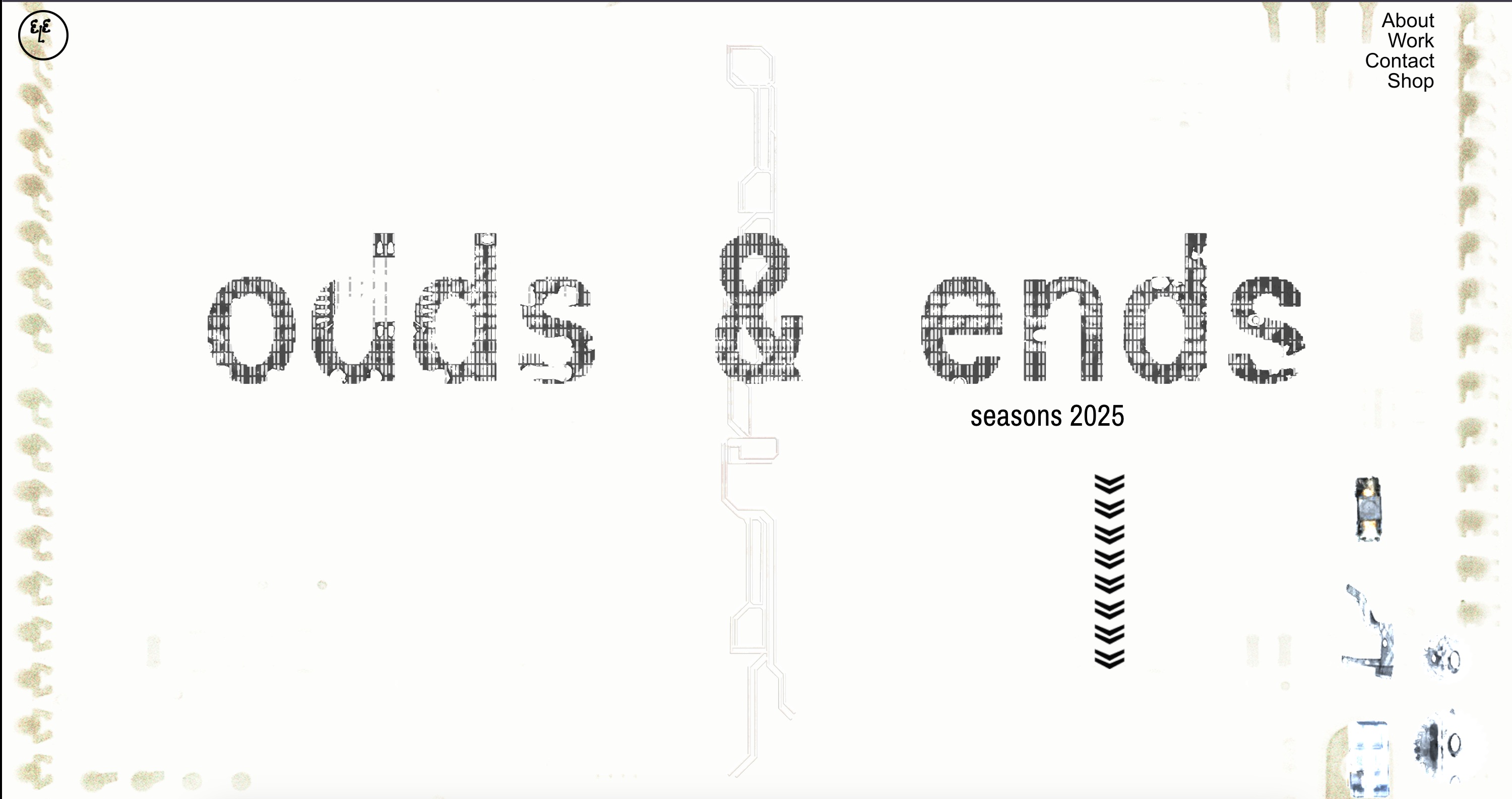
Feelers Feelers, Ashley Hi
Ashley described her practice as sitting between permaculture and computing. That shifted how I was thinking about technology. Instead of a clean tool that chases efficiency, it became something that could behave more like a garden: adaptive, messy, and shaped by care over time.
Permaculture x computing
Tech as something that grows and is tended, not just executed. This made my own work with code feel less cold and more like a material I am responsible for.
Metaphor as entry point
She reminded us that metaphors shape how people imagine systems. A gentle or funny metaphor can pull someone in much faster than technical language ever will.
Immediacy
Work should make sense without a wall of curatorial text. That made me realise I often over explain, instead of trusting the image or interaction to do more of the talking.
[ Project Highlight ]
Build-A-Caifan
Turning an everyday ritual into ML
Build-A-Caifan is an online caifan stall where users pick their dishes with emojis, and machine learning turns those choices into a plate of food. It feels light and playful, but underneath that is a very specific memory of eating, queuing, and choosing. It showed me how tech work can be rooted in local habits instead of abstract datasets.
[ Takeaway from Ashley ]
Quote
Simple entry, deep backstory
The talk nudged me to be stricter about how people first meet my work. I do not need to show all the theory on the surface. A clear metaphor or simple interaction can hold the door open, while the more complex thinking sits underneath for those who look longer.
[ Interactive Sketch ]
p5.js embed
Control by pressing
Live sketch from the p5.js editor. Press or tap to push the grid into its disrupted state.
Recap with Andreas
In his elective we went back to the basics of a p5 sketch and how
mousePressed() can act as a simple trigger. It reminded me that a small input can still
open up a lot of room to explore.
From control to interruption
I started with a neat grid as the control state. On press, the rules stay the same but the behaviour shifts into drift, variation and missing circles.
Presence, not noise
The goal is not random chaos. I want the changes to feel like someone has stepped in, not like the computer glitched on its own.
[ Experiment 3 ]
p5.js grid
Default state and interrupted state
Live sketch. Click or press to move between a regular grid and a disrupted one with drift and dropout.
In the default state the grid behaves exactly as written: even spacing, repeated size, no surprises. Once I press, the grid uses the same structure but loosens its behaviour. Some circles shift, some grow or shrink, and some vanish. The unevenness feels less like a bug and more like a record of a choice.
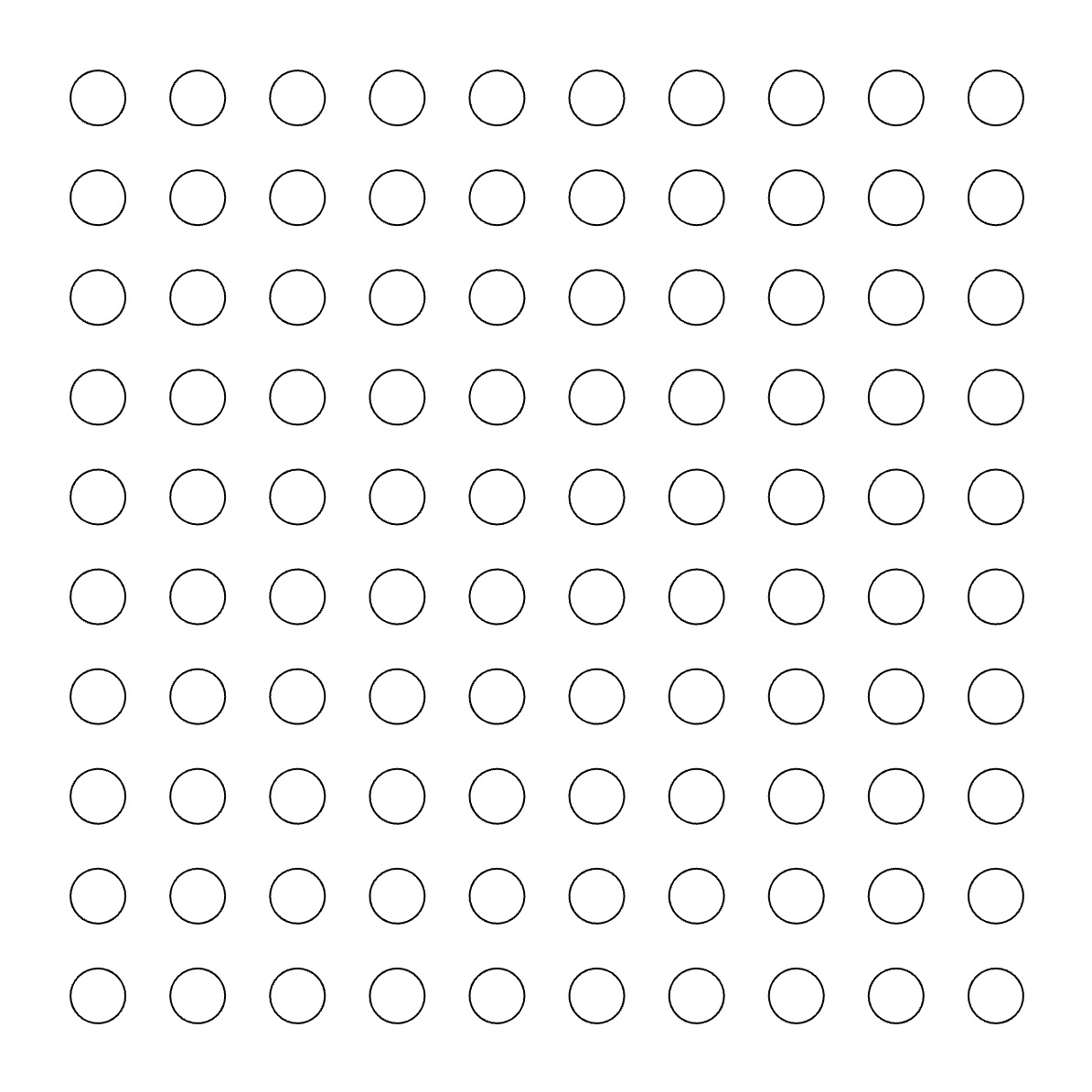
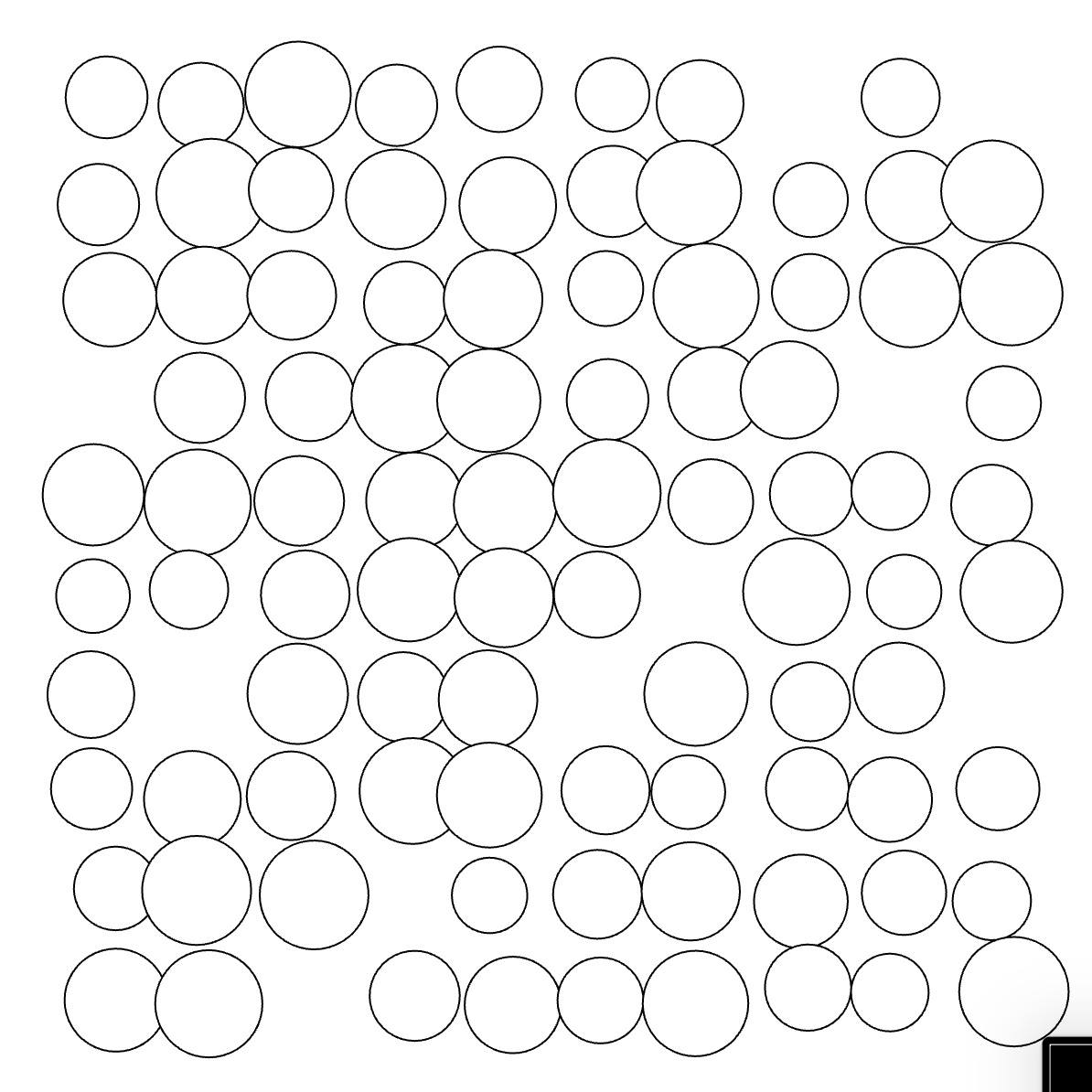
mousePressed(): drift, different sizes and missing circles.[ What the logic does ]
Disruption as language
Drift, variation, absence
In the disrupted state, random() nudges the x and y positions so each circle slides a little
away from its perfect spot. Size variation makes some circles feel tense and some relaxed. A small
chance of dropout leaves gaps, like skipped stitches. Together these rules let the grid behave as if a
hand has interfered for a moment.
Experiment 02.b
Replacing the mouse with Arduino
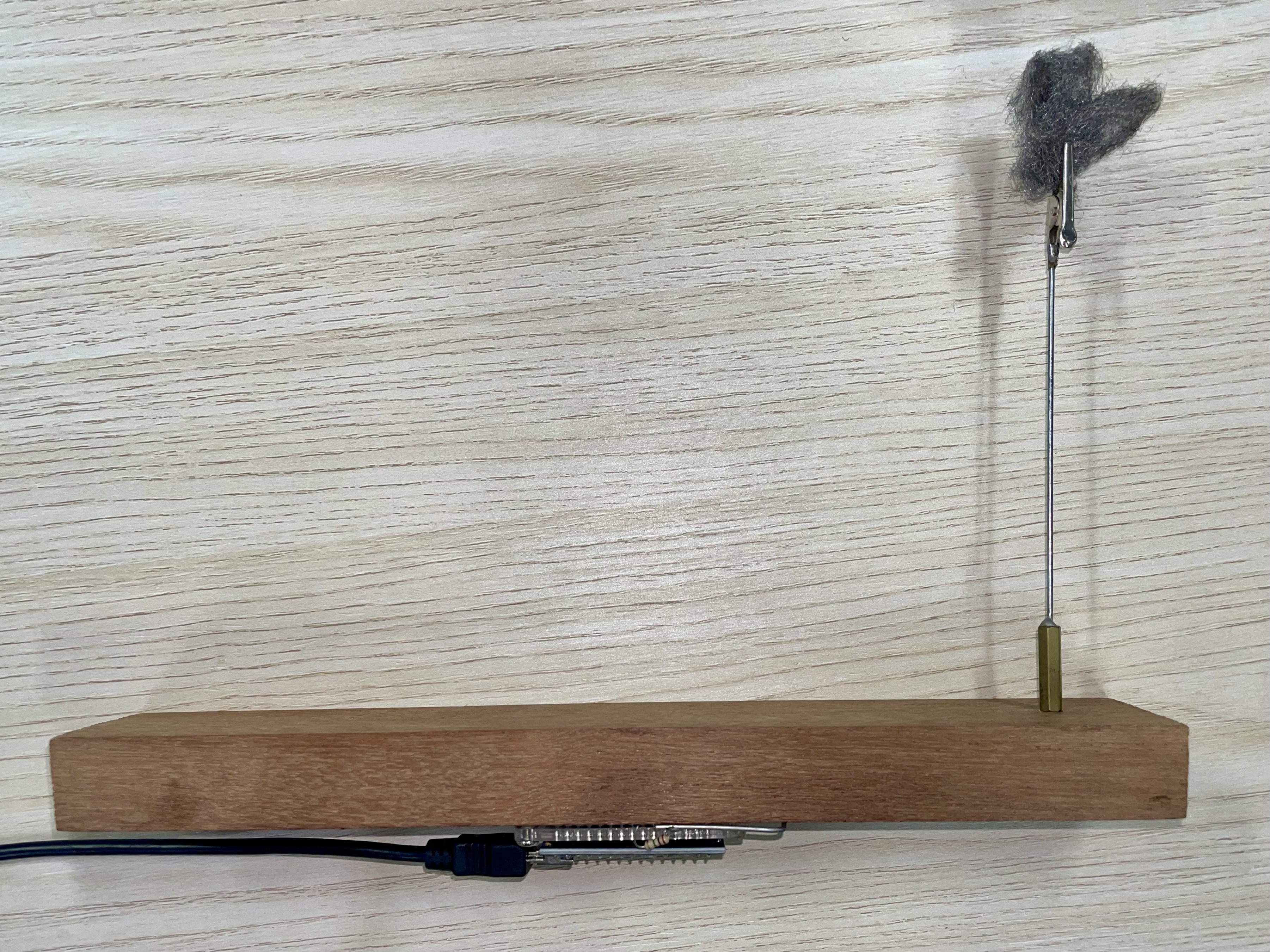
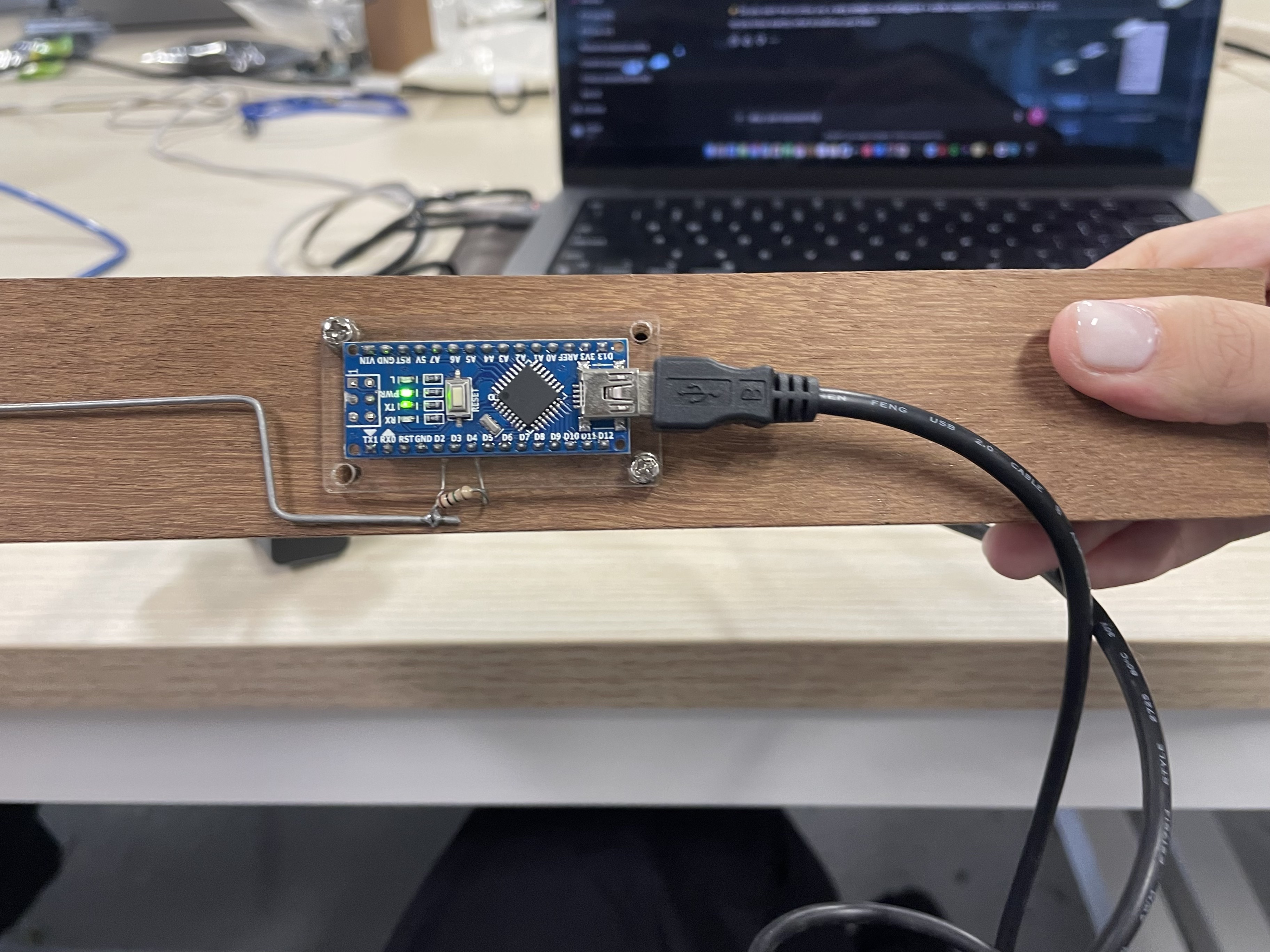
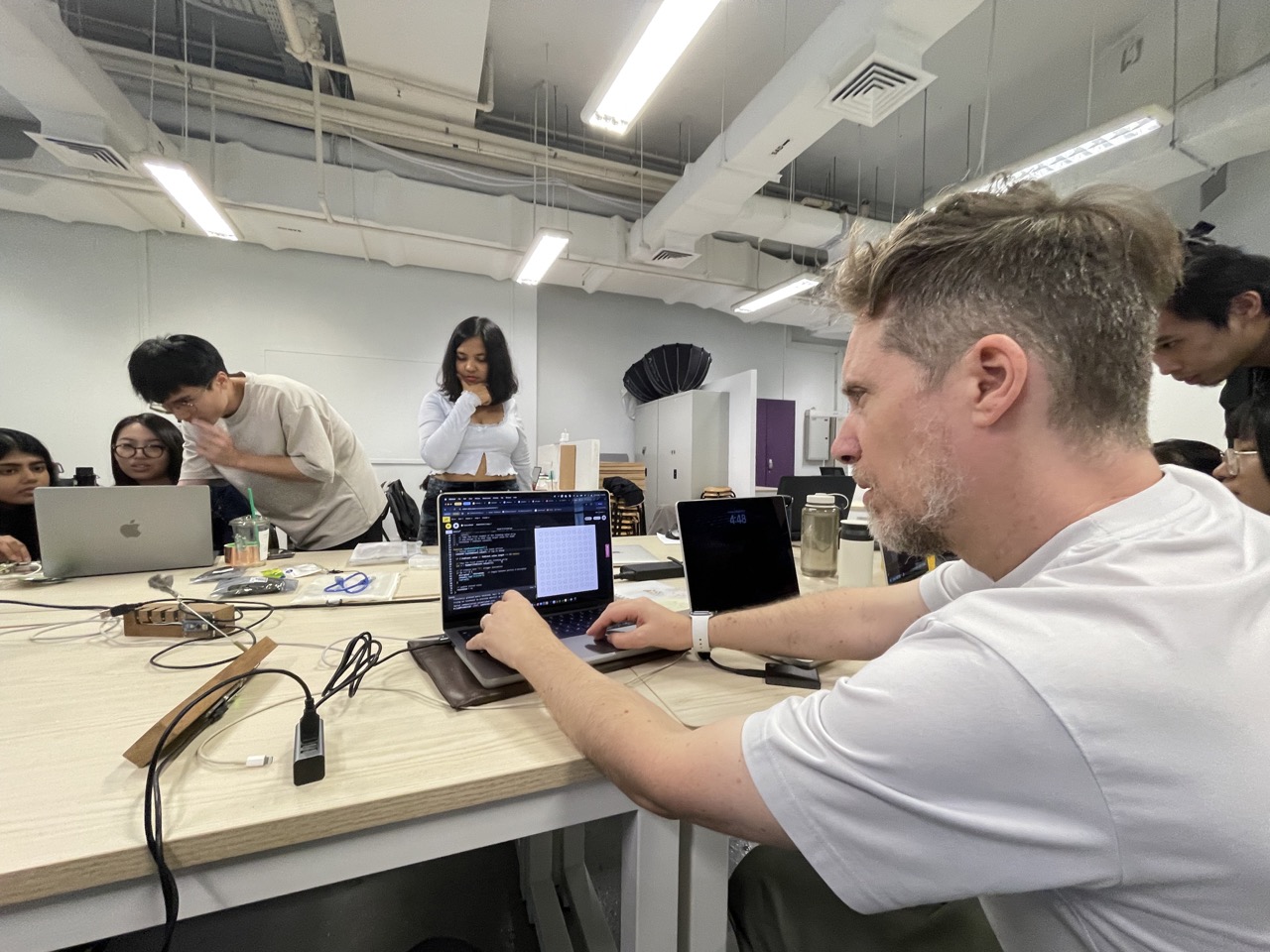
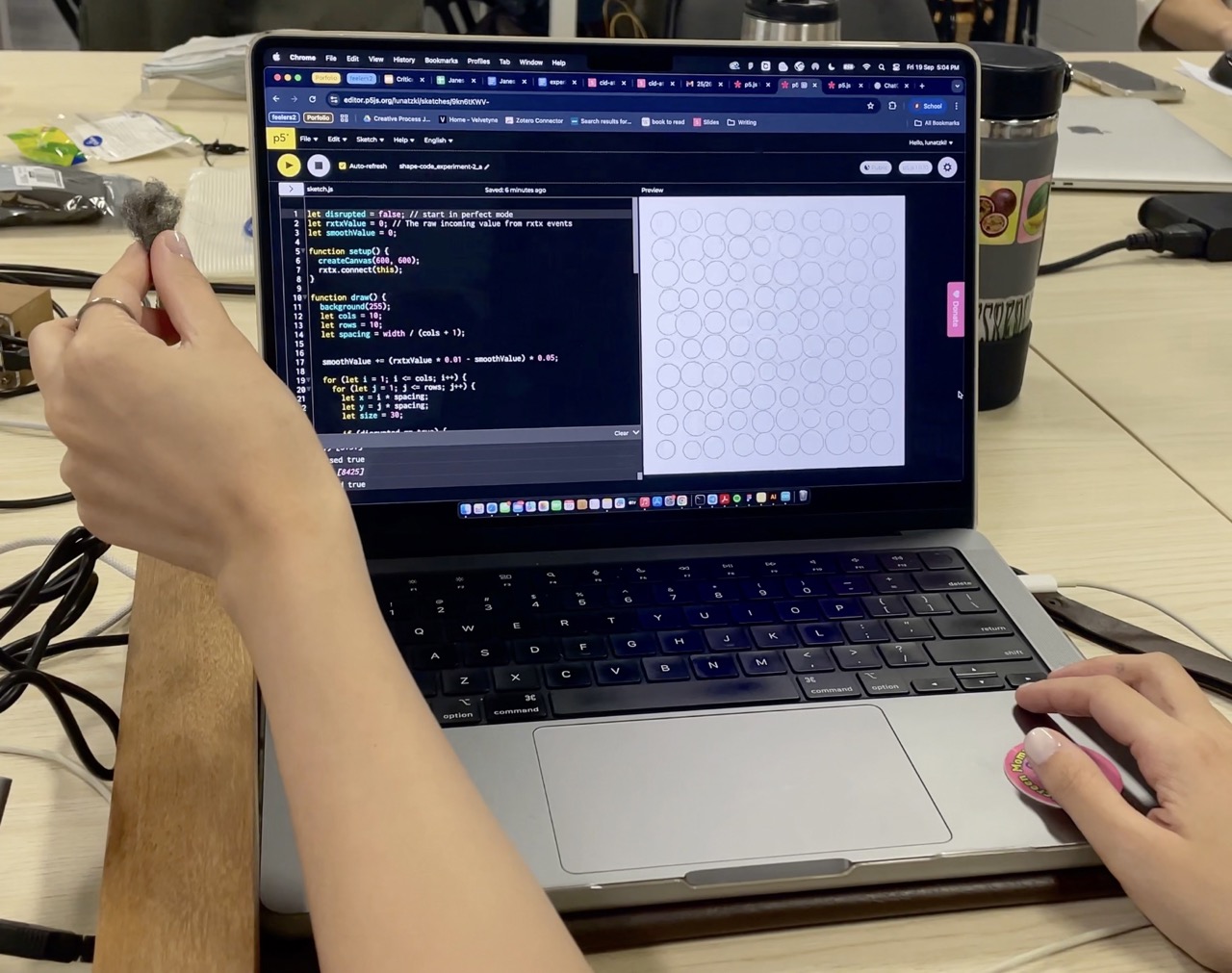
In the second part of the experiment I swapped the mouse press for a handmade sensor. A bent wire and steel wool, wired to an Arduino Nano clone, became the trigger that tells the sketch when to flip into its disrupted state. The input now feels more like touching a fragile object than clicking a neat button.
Setup
Arduino Nano clone, custom wire and steel wool sensor, sending values over serial into p5.js where the grid listens for a threshold.
Meaning
Touching the sensor feels closer to handling a craft object than using an interface. The disruption reads as a physical gesture, not just a software command.
States
A 10 x 10 grid as the base state. When the sensor value crosses the threshold, the sketch shifts into the same drift, variation and dropout behaviour as before.
[ Sensor and wiring ]
Materiality of the input
Fragility as interface
The sensor is rough, improvised and a little unstable. That instability is exactly what interests me. It forces careful touch, and it makes the disruption feel earned rather than effortless.
[ Challenges faced ]
Arduino IDE
I accidentally overwrote a working sketch and had to figure out boards, ports and bootloaders from scratch. Frustrating, but now I actually know what the upload process is doing.
p5.js serial
Getting p5 to talk to the Arduino took more time than writing the grid. I had to switch browsers, set up localhost and check that the serial library was even running before I could see any values.
Sensor stability
The handmade sensor sometimes worked beautifully and sometimes did not respond at all. The instability fits my theme but also made testing slow and occasionally quite annoying.
[ What I learned ]
Analogue and digital imperfections
Different sources, similar presence
In the string and pins task, imperfections came from material resistance and my own pace. In the grid sketches, the imperfections come from rules written in code, but they still only appear when I choose to act. Both versions carry traces of a hand, just through different channels.
Temporality
Slow build versus instant shift
Embroidery stretches hesitation out over time, one stitch at a time. The grid flips states in a single press. The speed is different, but both moments are still decisions that leave a mark.
Authorship
Shared control
The computer holds the rules and repeats them without getting tired. I decide when to break the pattern. The finished image sits between both of us, which feels closer to collaboration than pure control.
Error as care
Softening the system
Looking at the disrupted grid, I do not read it as broken. The drift and missing circles soften the rigidity of the system and make it feel like it is breathing. That shift from error to care is what I want to keep building on.
[ Possible next directions ]
Fragility as method
Inputs that age and resist
This experiment makes me curious about sensors that are meant to wear out or behave unevenly. Inputs made of thread, paper or clay, or circuits that depend on pressure so every touch is different. Instead of hiding that fragility, I want to treat it as part of the work and let the interface itself carry signs of care and unpredictability.