WEEK 1
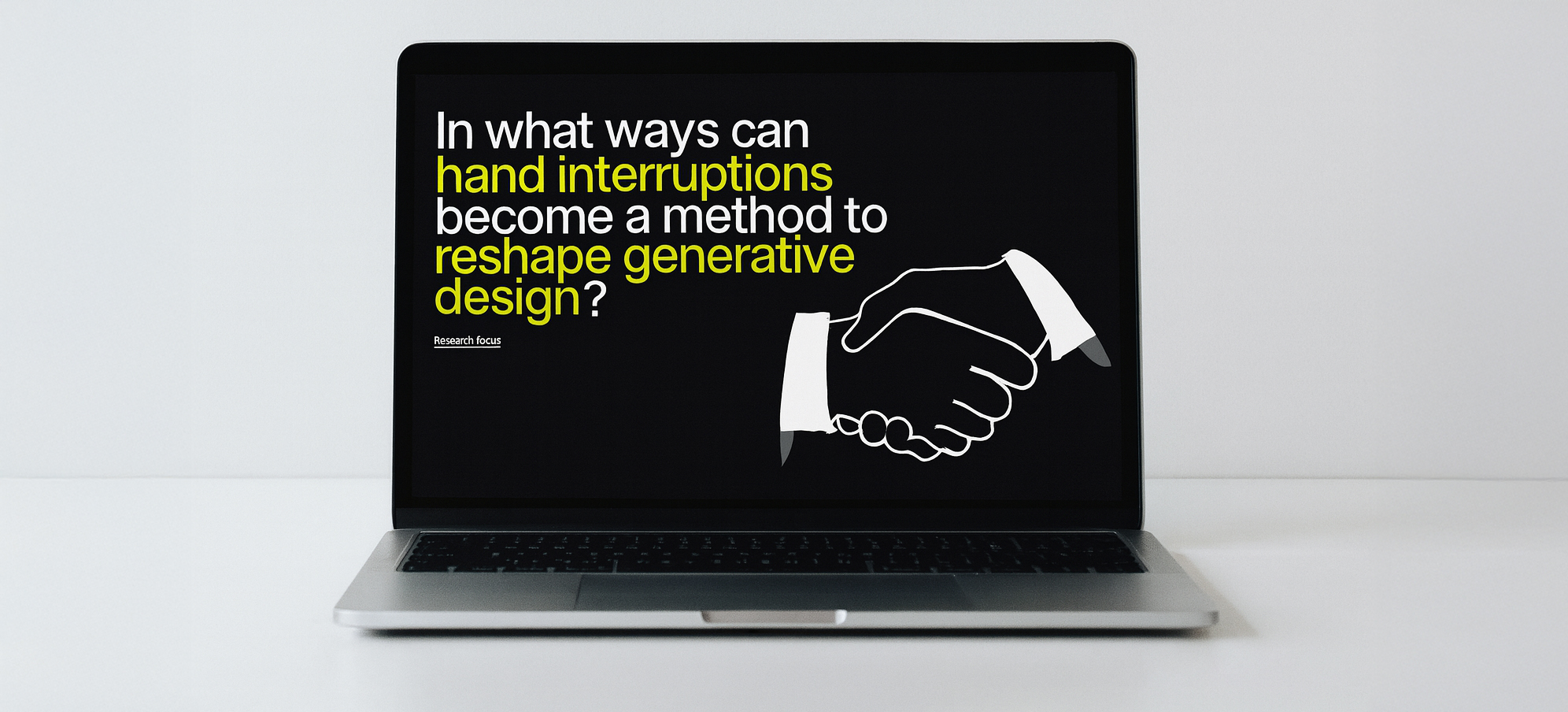
Introduction
Prepping Introduction Slides
For week 2's presentation, I’ll introduce my research area, why it matters to me, and the key references behind it. I’ll show a few past works and talk about what I’m already drawn to and what I hope to learn next. If possible, I’ll also bring a small technical experiment to show my starting point.
Framing
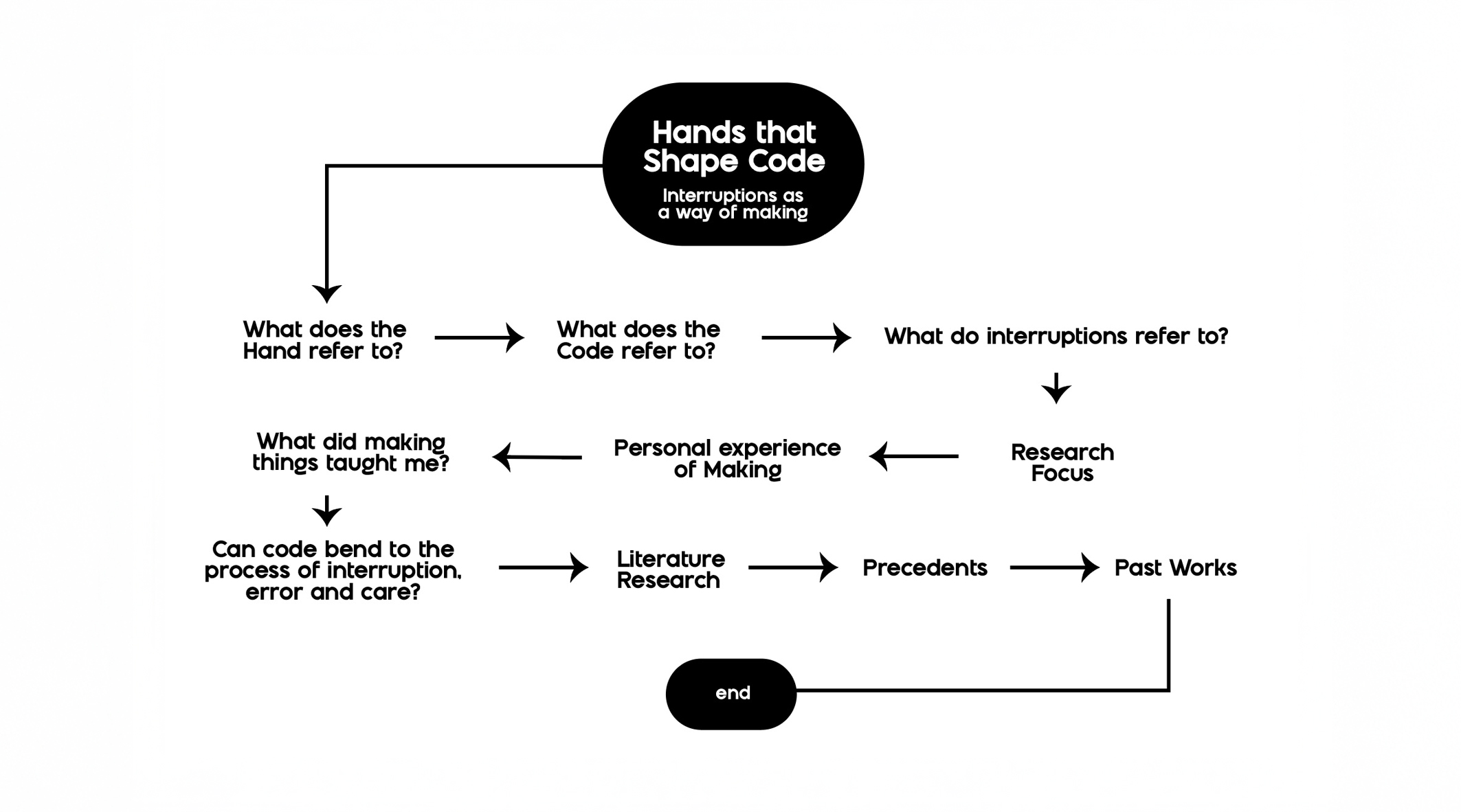
Structured the deck (area → rationale → reflection → literature → precedents → past works) as a narrative arc.
Unpacking the title
“Hands” (making, intuition, trial-and-error, interruption) vs. “Code” (precision, control).
Core sources
McCullough (the digital hand), Reddy (material agency; error as value), Tsaknaki (craft as care).
[ How did I structure my presentation? ]
Slide flow
Planning my presentation
I went ahead to plan my flow of presentation before visualising them.
Literature
McCullough, Reddy, Tsaknaki
I chose authors that shape the way I see interruption: the digital hand, material agency, and craft as care.
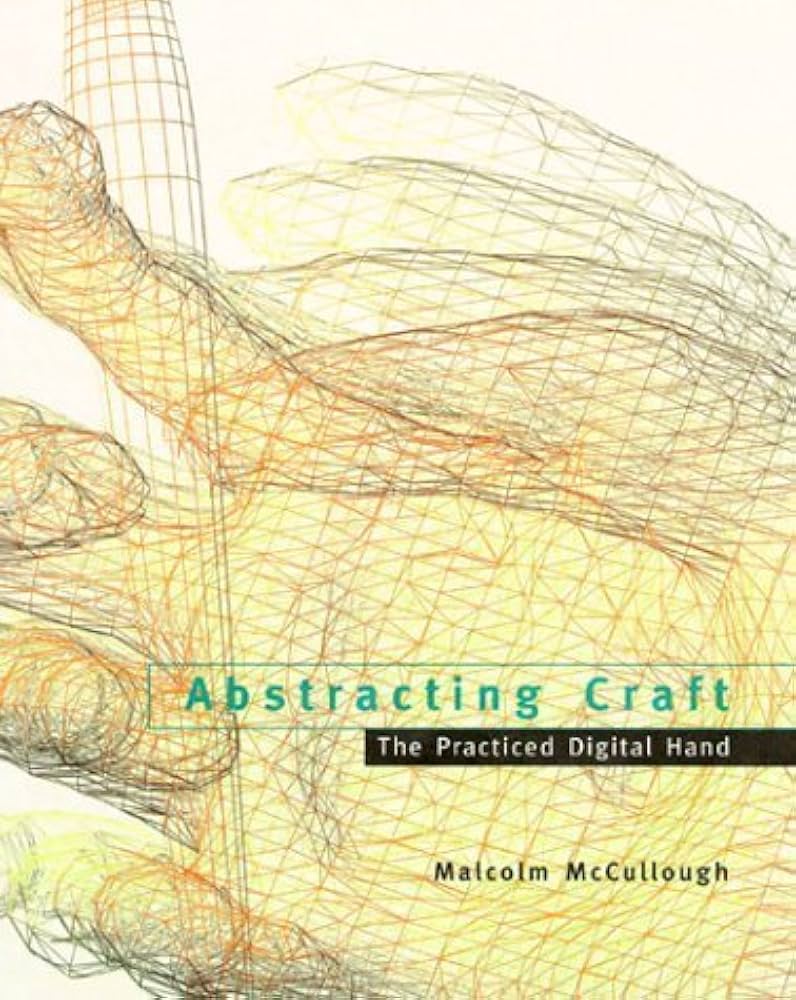
McCullough
The digital hand
How craft knowledge carries into computational practice; making as embodied thinking.
Reddy
Material agency
Error and resistance as signals; materials co-author outcomes rather than obey.
Tsaknaki
Craft as care
Care, slowness, and repair as design values that shape process and aesthetic.
Precedents
Human × machine × nature
Oxman’s Silk Pavilion II (co-creation with silkworms), Seiko Mikami’s Desire of Codes (the body inside code), Baecker’s Irrational Computing (crystals/magnetism as unpredictable inputs).
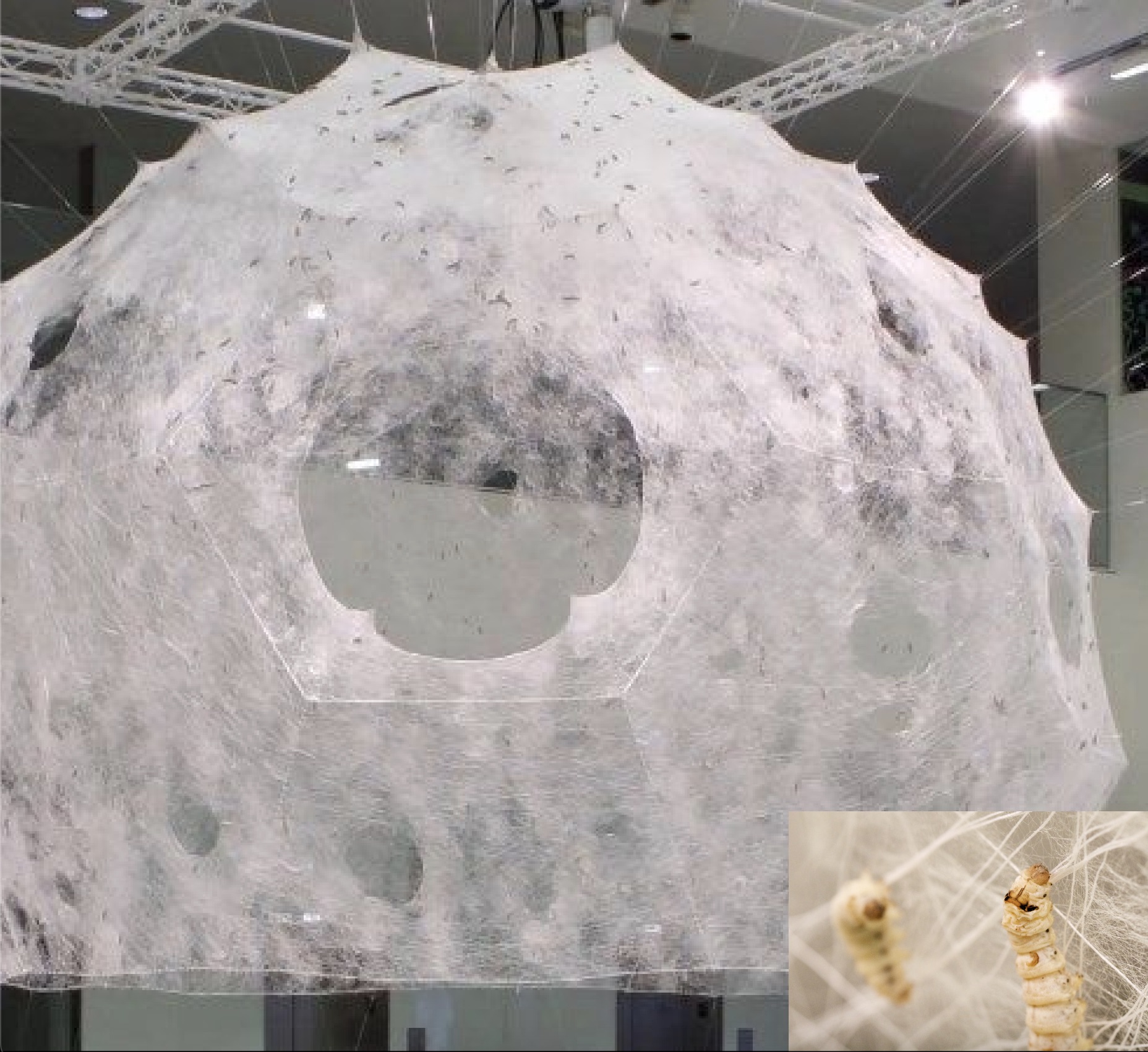
Neri Oxman
Silk Pavilion II
This project combines a computer-designed structure with live silkworms spinning silk, creating a piece built by both technology and nature.
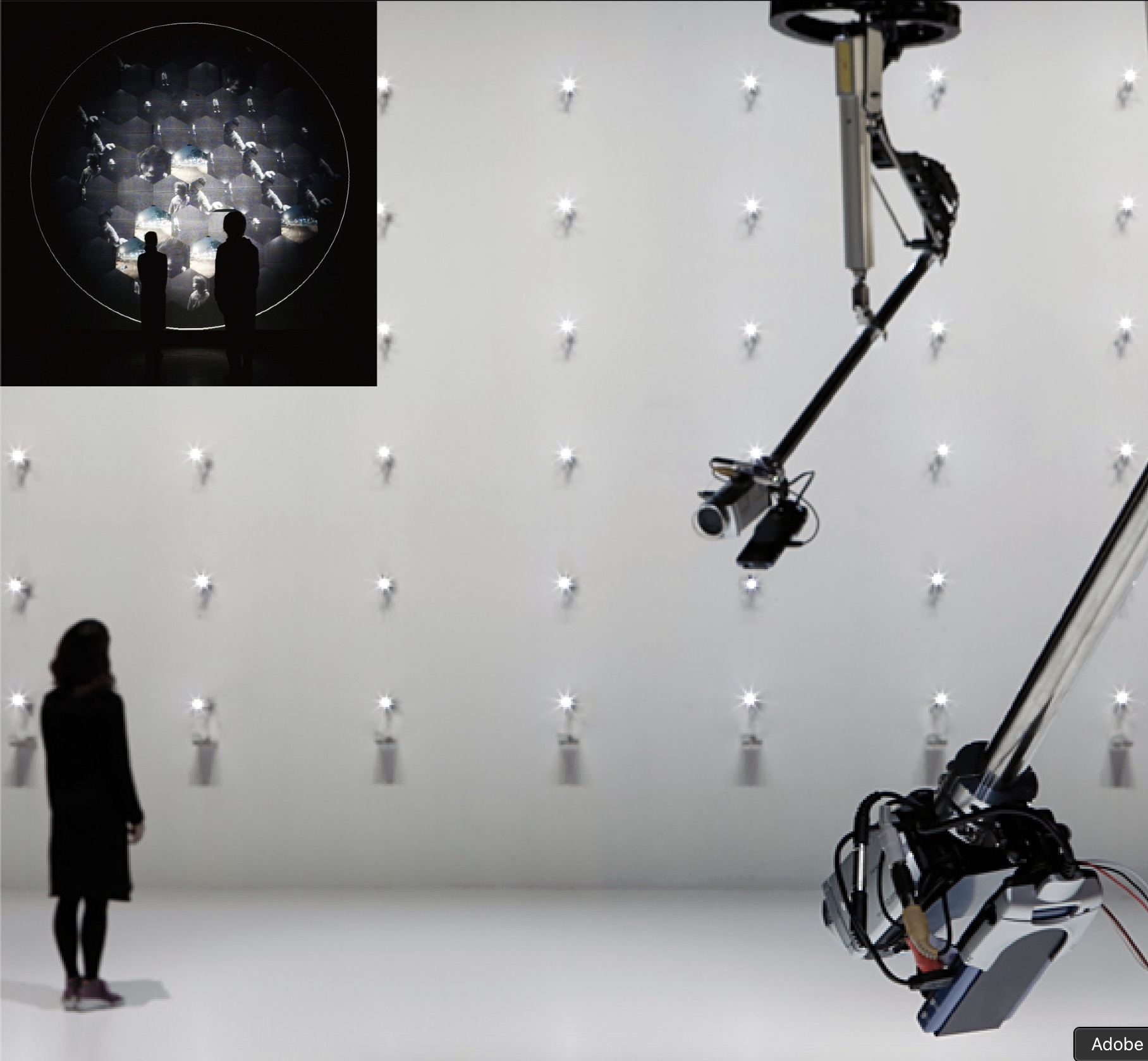
Seiko Mikami
Desire of Codes
This interactive installation reads visitors’ movement, weight, and speed to distort projected lines across the floor, making invisible presence materially visible.
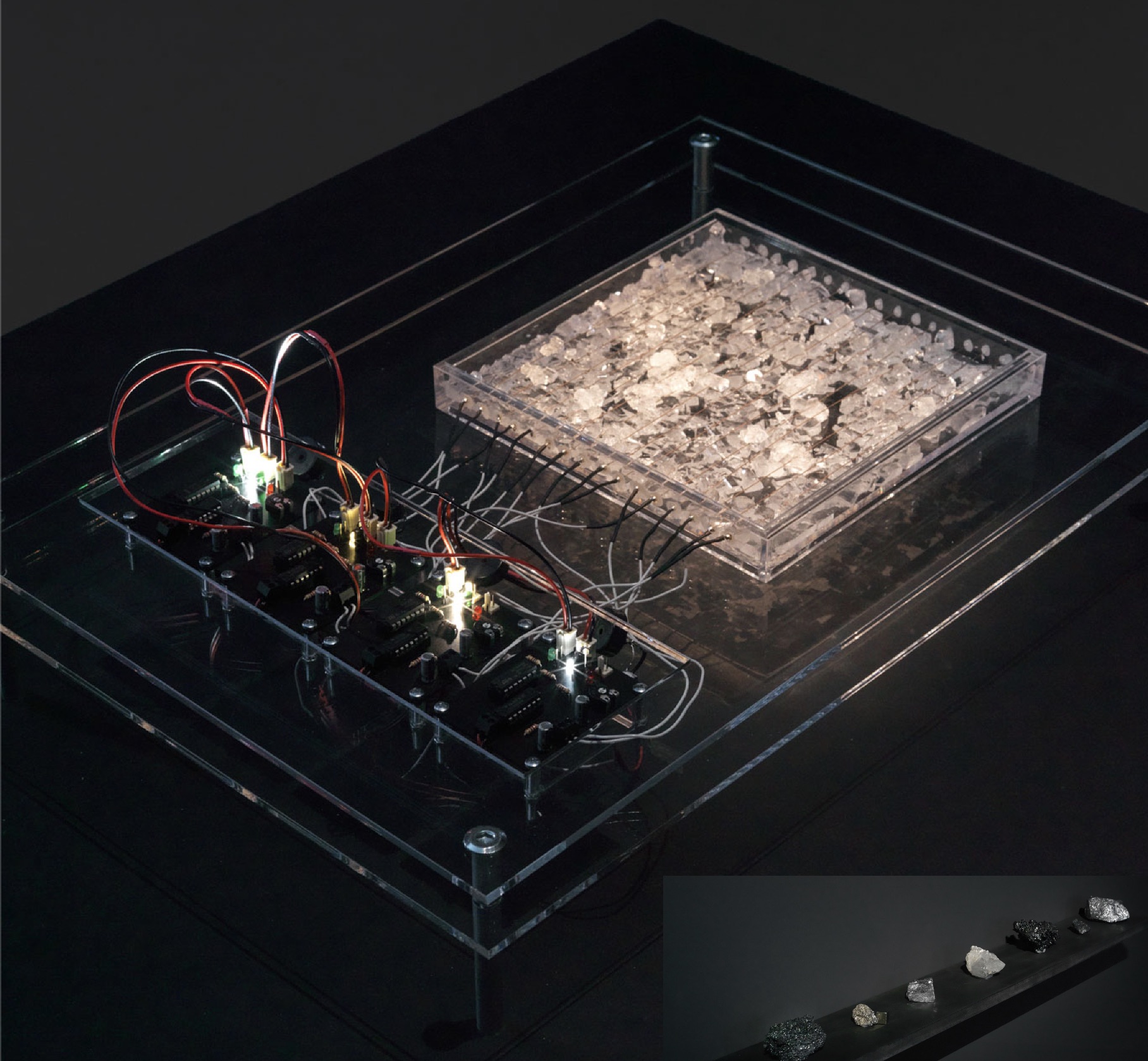
Ralf Baecker
Irrational Computing and other works
Ralf Baecker built machines that combine electronics with natural forces like crystals, magnetism, or radiation. These forces shape how the system behaves, making the results unpredictable and not fully controlled by code.
Past works
Scroll through my Past works
Project Green Bean, Deconstructed Wishing Well, and Translating Generative Patterns by Hand, works that pull toward making, data, and imperfection.
[ What I Realised ]
Preparing slides is research
Building the slides makes me link all the loose pieces of research together, which helps me see the structure behind what I’ve been collecting.
[ Why It Matters to My FYP ]
Framing is part of making
It reminded me that care sits at the center of my project, that code should be treated as a material, and that interruptions are part of the process rather than mistakes.
[ A realisation ]
Noticing What Actually Drives Me
While gathering references and sketching ideas, I kept coming back to the same things: tactility, irregularity and systems that respond to the hand.