WEEK 13
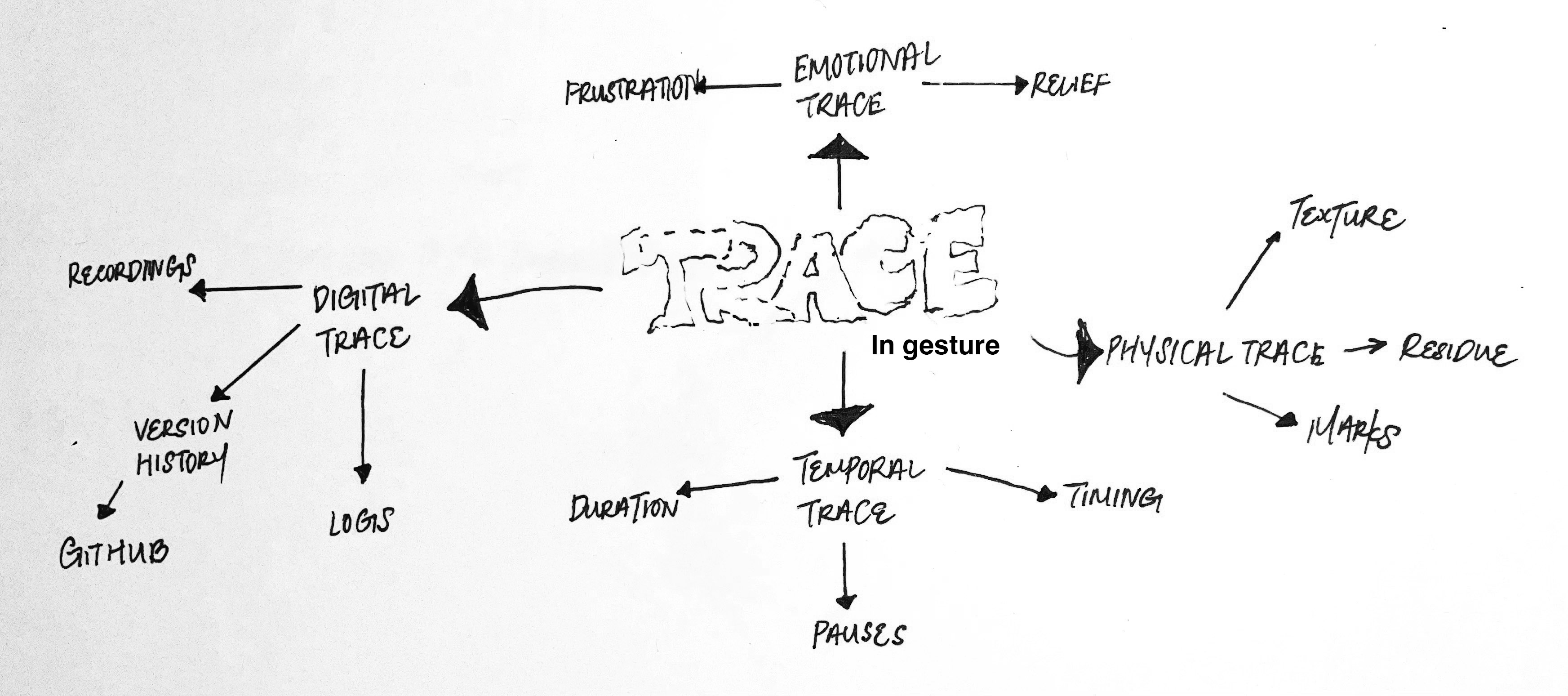
Recasting the project
Reframing everything around gesture
This week was about finally committing to what the project is really studying. Instead of hovering around craft and code as loose themes, I sat down to rewrite the background and literature review properly. Through several cycles of writing, cutting and rewriting, the work shifted toward a clearer pipeline that follows gesture as it travels through digital and material systems.
Facing the postponed parts
Moved from collecting references to actually deciding what the research is about and how each reading contributes to it, instead of keeping everything in a vague pile.
Core research question
How embodied movement can be captured as gesture data, transformed through computational patterning and expressed through material craft, while still carrying qualities from the original movement.
Pipeline as anchor
The line from gesture to computation to material became the structure that guides which readings matter, what experiments to run and how to judge whether they are meaningful.
[ 1. Getting unstuck through writing ]
Naming what I am actually studying
From vague pairing to a clear pipeline
This week was about facing the parts of the project I kept postponing. Instead of adding more sticky notes and references, I forced myself to sit down and rewrite the background and literature review properly. It meant cutting things I liked, and only keeping what spoke directly to the enquiry.
Through that process, the core question surfaced more clearly:
I am studying how embodied movement can be captured as gesture data, transformed through computational patterning and expressed through material craft, while still carrying qualities from the original movement.
Writing this out helped me move away from a loose idea of craft and code, toward a more intentional pipeline that follows gesture as it moves across stages.
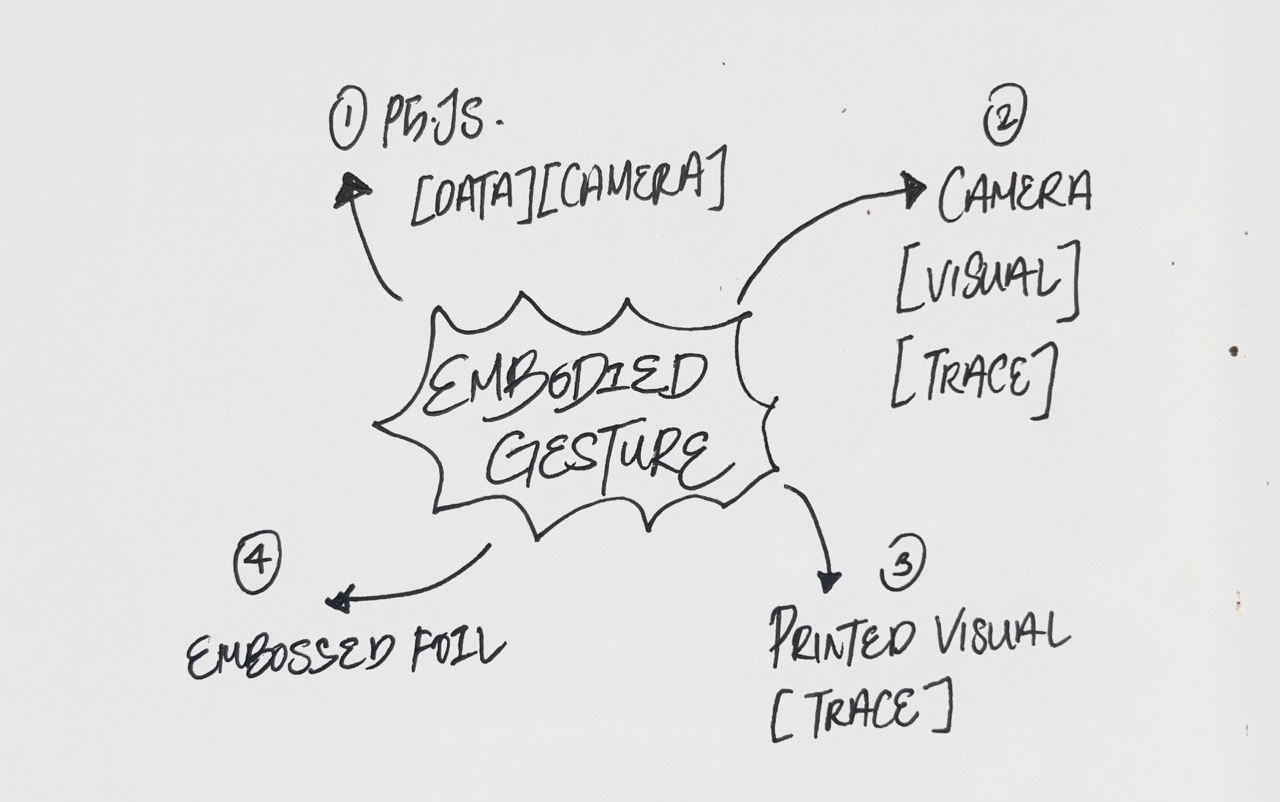
Once I had this diagram in front of me, it became much easier to decide which readings were actually relevant, what my experiments should do and how I might judge whether they are meaningful. Anything that did not help me understand this pipeline became secondary.
[ 2. Craft and gesture readings ]
Hands, movement and tacit knowledge
What craft theory taught me about gesture
I revisited readings that sit closest to the hand and the body. Instead of summarising them in isolation, I tried to understand what each one adds to my understanding of gesture as something more than a drawn line.
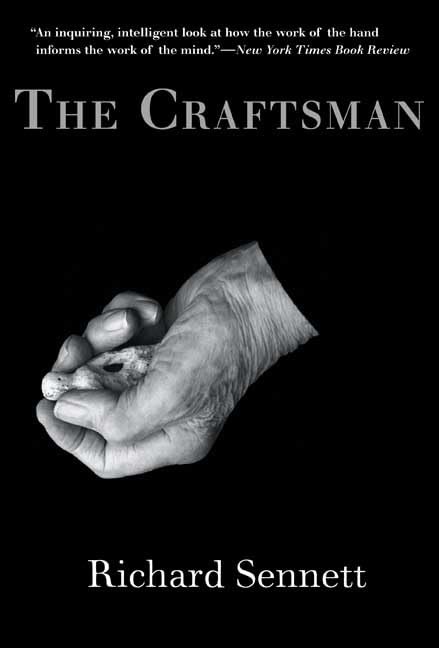
Richard Sennett – The Craftsman. Sennett reminded me that skill is inseparable from the body. He writes about repetition, tacit knowledge and rhythm as ways of thinking through the hand. This helped me see gesture not as a decorative flourish, but as a way of knowing. Movement becomes a form of understanding, not just execution.
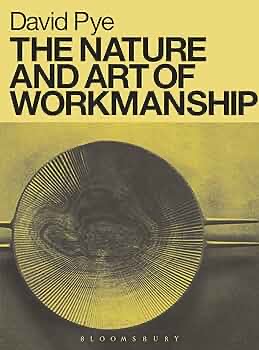
David Pye – The Nature and Art of Workmanship. Pye’s distinction between the workmanship of risk and the workmanship of certainty grounded my interest in variation. Hand based work carries hesitation, pressure shifts and small deviations. Instead of reading these as flaws, I can read them as signs of judgement. This connects directly to what I want to trace as gesture moves across digital and material stages.
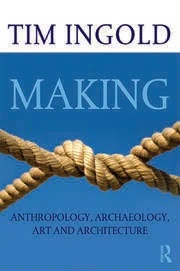
Tim Ingold – Making. Ingold reframes making as a temporal process. Form grows through ongoing correspondence between maker and material. Tools translate bodily movement into material change. My system extends this idea, because my tool now includes computation between the body and the craft outcome. His focus on rhythm and ductus supports my view of gesture as a time based way of thinking.
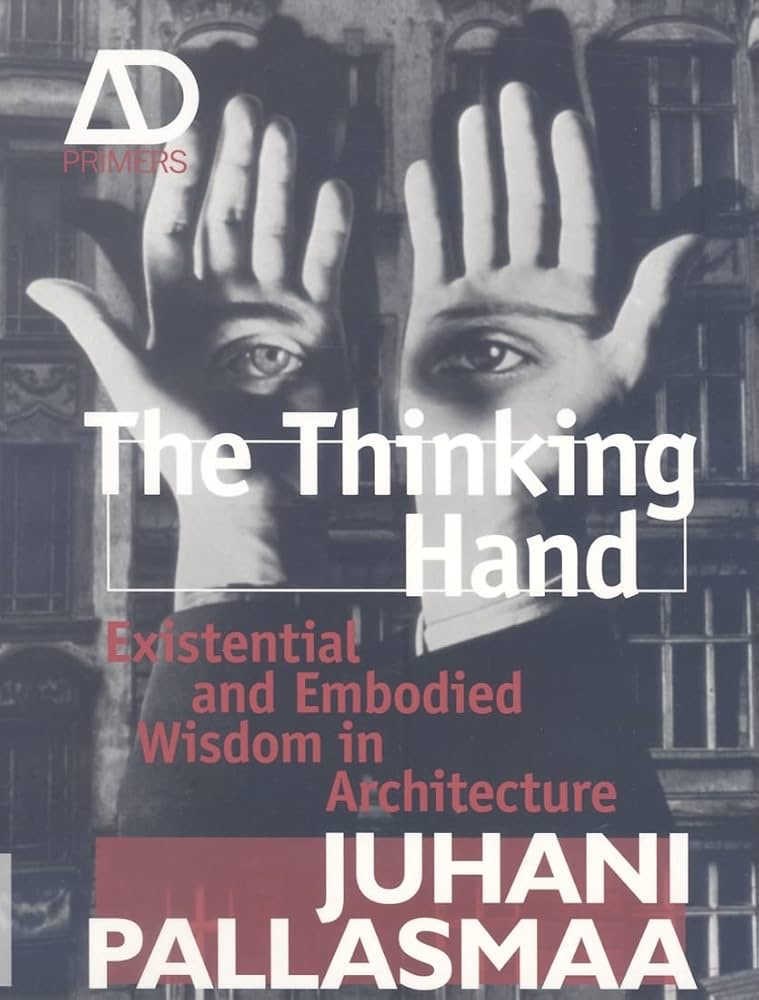
Juhani Pallasmaa – The Thinking Hand. Pallasmaa reinforced the idea of the hand as a cognitive instrument. Eye, hand and mind act together, and materials speak back through resistance. This supports my interest in crafted surfaces as records of lived, bodily decisions.
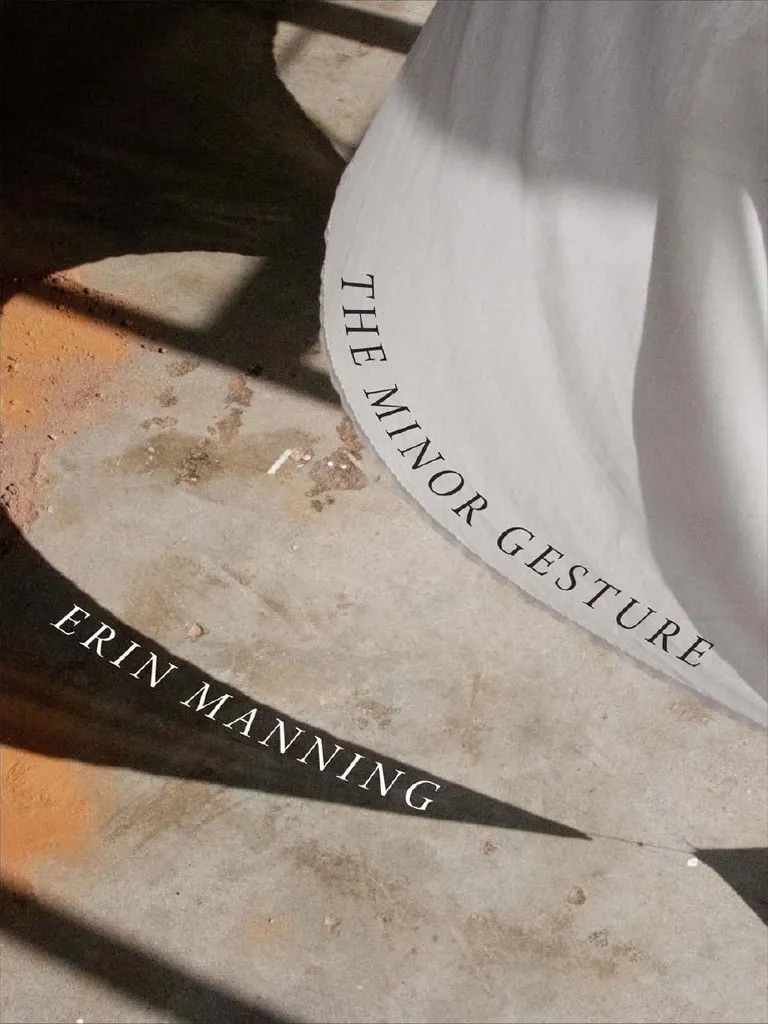
Erin Manning – The Minor Gesture. Manning introduced the minor gesture as the small, not yet formalised movement that shifts an event in real time. This gave me a way to think about micro variation, hesitation and small detours as generative, not as noise.
[ 3. Digital interaction readings ]
Embodiment inside HCI
Where gesture becomes compressed into input
The next cluster of readings came from interaction design and HCI. They helped me see how digital systems already deal with gesture and embodiment, but also where they start to flatten it.
Paul Dourish – Where the Action Is / Embodied Interaction. Dourish gave me language for embodiment in digital systems. Interaction with computers is grounded in skilled physical practice. This showed me that embodied movement is already acknowledged in HCI, but often treated only as input rather than something that keeps its richness across outputs.
Jacob et al. – Reality Based Interaction. This reading highlighted how digital interfaces lean on existing human skills such as grasping, gesturing and navigating. It also made visible the cost of digitisation. Gesture is compressed into measurable values so the system can understand it. That reduction sits at the heart of my project.
Wensveen and Djajadiningrat – Interaction Frogger. They discuss coupling between action and feedback, and treat gesture as expressive, with rhythm and emotion. To work computationally, expression must be simplified again. This helped me see what tends to get flattened when gesture moves into code.
[ 4. Computational design readings ]
Computation as material and trace
How code, form and glitch shaped the pipeline
The last cluster of readings lives closer to computation and form making. Together they helped me see gesture and code as part of one chain, and clarified how digital systems leave their own kind of trace.
Matt Ratto – Critical Making. Ratto frames making as a way of thinking with both materials and technical systems. Computation is part of a hybrid workflow, not a separate world. This helped me place gesture and code within the same chain, rather than treating them as separate domains.
Cecilia Vallgårda – Computational Composites. Vallgårda was very influential. She argues that computation behaves like a material when it is coupled with physical substrates, and only becomes visible when expressed through matter. This aligns with my plan to express gesture patterns through foil traces. The foil becomes the surface where computational decisions appear.
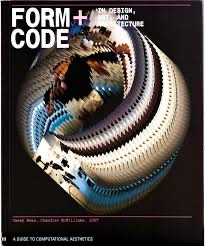
Casey Reas and Chandler McWilliams – Form and Code. They break down pattern generation into simple operations such as repetition, transformation and rule based behaviour. This confirmed that gesture data could become parameters within generative systems.
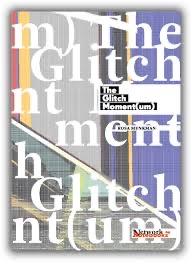
Rosa Menkman – The Glitch Moment(um). Menkman introduced the idea of glitch as digital trace. Glitches reveal internal processes in the system, similar to how tool marks reveal manual labour. This helped me avoid a simplistic claim that digital has no trace. Digital trace exists, but it is not usually linked to embodied movement.
[ 5. How these readings shaped my direction ]
Seeing the gap clearly
Following gesture across three stages
Across all these texts, a shared picture began to form:
Gesture carries intention, rhythm, pressure and variation. Craft surfaces record these qualities as marks, textures and traces. Digital systems also engage with gesture, but compress it into data. Computation shapes form and behaviour, but its traces look different.
I realised that no one is following gesture across all three stages in one system:
embodied movement → digital processing → material expression
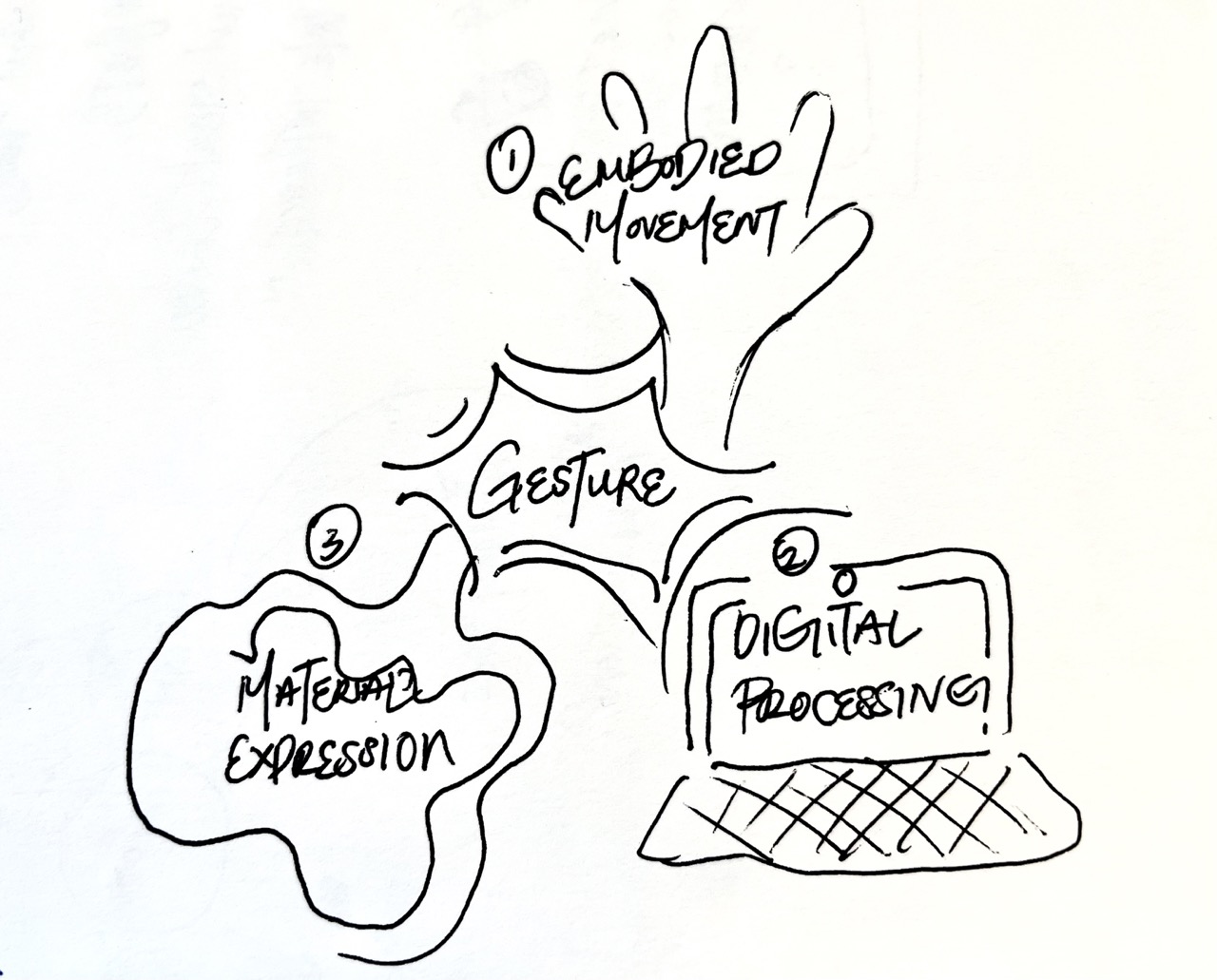
This open centre is where my dissertation sits. The project is not only about craft, code or interaction in isolation. It is about what happens to gesture as it travels through all three and how much of its character survives or changes at each step.
[ 6. Experiments planned from these readings ]
Experiment 1
Solo pipeline test: gesture to foil
Pipeline: gesture → code → pattern → foil trace.
This experiment came from trying to understand what happens to gesture as it moves through different translation stages. Pye, Ingold and Vallgårda shaped it in different ways:
Pye. Surfaces record small deviations, pressure and risk.
Ingold. Gesture is temporal and shapes form through correspondence with material.
Vallgårda. Computation only becomes visible when it is expressed in material.
By running the whole pipeline myself, I can observe how a single gesture changes across each stage. I act as maker, coder and crafter, so any shifts arise from translation, not from differences between people.
Why foil for Experiment 1
Foil is sharp, immediate and unforgiving. It records dents, creases, raised ridges, flattened areas and repeated pressing marks. Even slight changes in speed or pressure become visible. The surface behaves almost like a physical seismograph of movement.
This sensitivity fits Pye and Ingold’s ideas about materials recording action, and connects to Vallgårda’s computational composite idea, since the foil becomes the material where computational patterning appears.
Why start with myself
I need to understand the character of transformation before involving others. This test lets me ask:
- What aspects of gesture survive the computational stage.
- What qualities are lost or flattened.
- Whether the pattern echoes the original movement or distorts it.
- What new characteristics appear once I emboss it into foil.
Experiment 2
Mini gesture variation study
Here I compare how different bodies perform the same gesture before it travels through the same pipeline. Manning, Sennett and Ingold all emphasise that repetition never produces exact copies. Each person’s movement holds different habits and micro decisions. Variation is the material, not the problem.
A small group of participants will draw the same prompted gesture on a tablet. Their movements then travel through the same stages as in Experiment 1.
Why this matters
This experiment helps me see:
- whether different gestures produce visibly different computational patterns
- how much individuality survives each translation stage
- what new qualities emerge when participants trace the pattern into foil
Why foil again
In this case, participants trace printed patterns into foil themselves. This reintroduces the body at the final stage. It aligns with Pallasmaa’s idea of the hand interpreting and giving shape, Pye’s view of workmanship leaving variation on the surface and Ingold’s idea of material and body staying in dialogue.
Foil amplifies these differences. Some people press hard, some softly, some move in bursts, some steadily. These small differences show up in the surface in ways the digital stage cannot fully predict.
Why these experiments belong together
The two experiments form a small ecosystem:
- Experiment 1 shows what translation does to a single gesture.
- Experiment 2 shows what variation does to the system when the gesture source changes.
Together, they let me map embodied variation to computational transformation to material outcome. This mirrors exactly what my dissertation is trying to understand.
[ 7. Reflection ]
Turning point
Gesture as the material of the project
This week felt like a turning point. I came in with confusion and scattered thoughts and left with a clearer focus, a structured set of readings, a defined gap, two grounded experiments and a better sense of how craft, computation and gesture relate.
I realised that gesture in this project is not just a method or a visual trace. It is embodied movement, and that is the first thing I need to understand before I can follow it through the pipeline. If I cannot grasp what the movement holds at the start, I cannot make sense of what is lost, changed or carried through each translation.
What became clear
Gesture is the thread that ties craft, computation and material together. The project studies how that movement transforms, not just how each layer works on its own.
What I need to protect
The small variations inside movement: hesitation, pressure shifts and rhythm. These will guide how I judge each experiment and outcome.
What comes next
Build the pipeline in practice, starting with simple tests. Let gesture move through code and material, then read what remains and what changes at each step.